

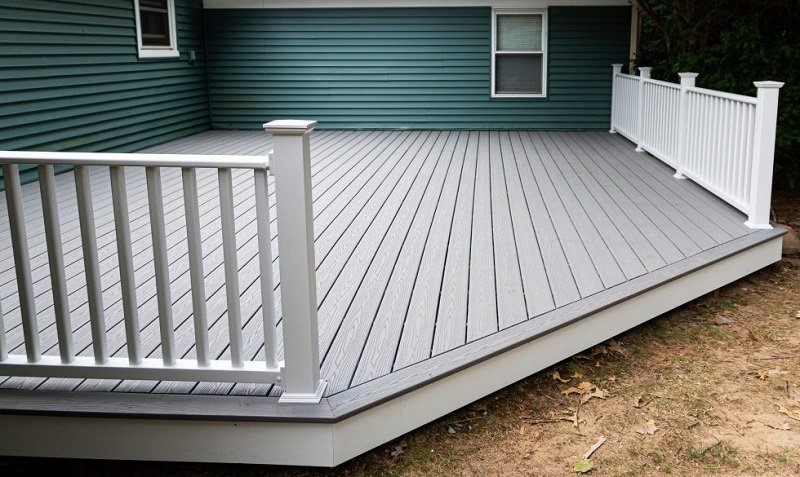
A well-kept composite deck can completely change the look and feel of your outdoor space, but only if it’s cleaned the right way. Composite boards don’t need harsh chemicals or aggressive scrubbing to stay looking new.
With a few smart steps and the right approach for your type of stains, you can restore the colour, protect the surface and extend the life of your decking without risking any damage. Let’s break down the methods that actually work.
Why composite decking needs a different cleaning approach
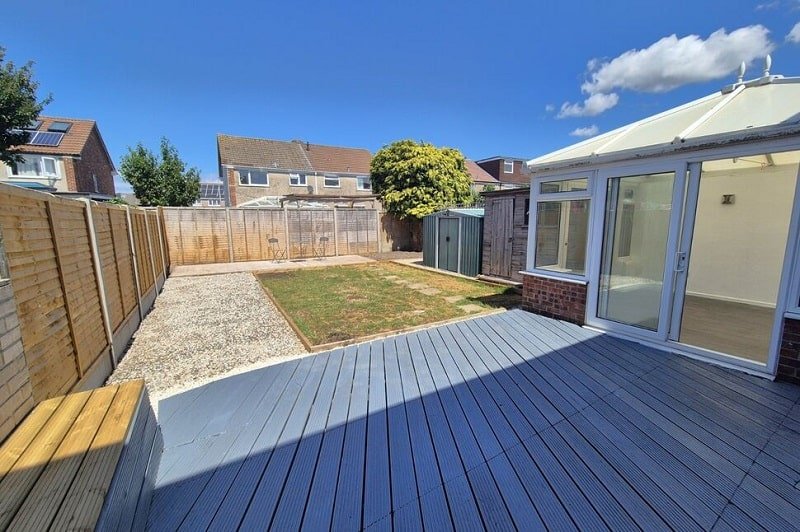
Composite decking isn’t just coloured plastic or treated wood, it’s a blend of wood fibres and polymers pressed together into a durable, low-maintenance board. Because of this mixed structure, composite boards don’t absorb water, react to heat, or weather in the same way natural timber does.
That’s why many “natural” DIY cleaning methods, like vinegar, baking soda, or abrasive detergents can actually cause problems. They may leave cloudy patches, lighten the colour, or damage the protective cap layer. Composite decking needs a cleaning approach tailored to its material: gentle, non-corrosive, and designed to preserve its finish.
Common mistakes that damage composite deck boards
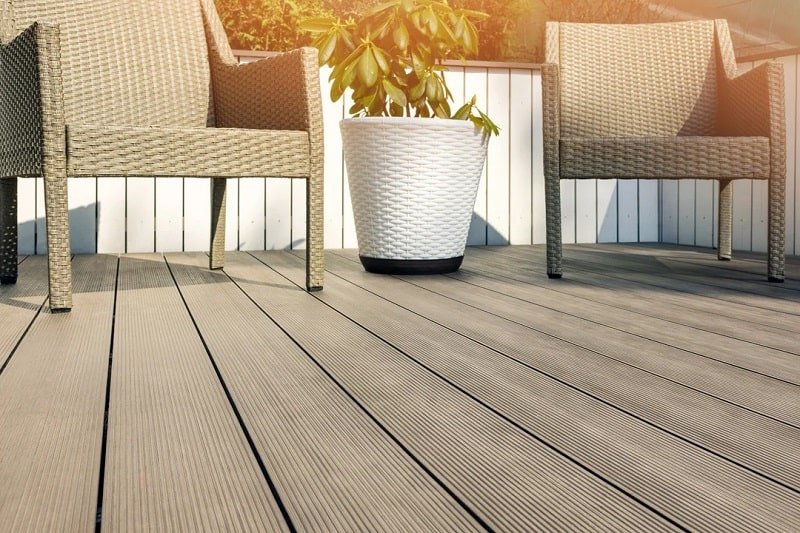
Even with good intentions, many homeowners use cleaning methods that can quietly ruin composite decking. The most common issues come from products or tools that react badly with the material:
Using vinegar
Although it sounds natural and harmless, vinegar is acidic enough to break down the polymers that hold composite boards together. This can cause dull spots, patchy lightening, or a weakened surface over time.
Applying baking soda pastes
Baking soda is made of fine, abrasive particles. When rubbed onto composite decking, these particles scratch the protective cap and leave the surface looking cloudy, especially in sunlight.
Cleaning with bleach
Bleach strips colour and can chemically “eat away” at the wood fibres inside the composite structure. The result? Permanent discolouration, streaks or soft patches where the board loses strength.
Pressure washing at high PSI
A pressure washer that’s too strong can carve lines into the boards or roughen the surface. Once these marks appear, they’re permanent, no cleaner can reverse them.
Using stiff or metal brushes
Hard bristles and wire tools scrape through the outer coating, leaving scratches that stand out even more when the sun hits the deck.
Avoiding these mistakes is key to keeping composite decking looking smooth, uniform and protected for years.
Identify the type of composite decking boards you have
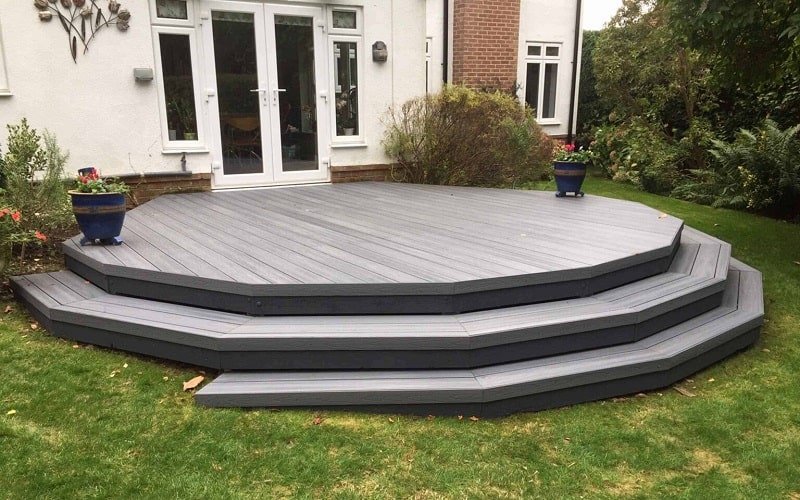
Before you start cleaning, it’s essential to know which type of composite decking you’re dealing with. Each behaves differently and needs a slightly adjusted approach.
Capped composite boards
These have a protective outer shell, a hard, engineered cap that resists moisture, fading and most stains. While this layer offers strong protection, it’s not indestructible. Harsh chemicals, abrasive powders or high-pressure washing can still damage the cap and leave visible marks.
Uncapped composite boards
Older or budget-friendly composite decking often comes without a protective shell. The surface is more porous, absorbs stains more easily and can fade faster. Because it’s exposed composite material, it’s more sensitive to strong cleaners and requires extra care to avoid permanently altering the colour.
Why this matters:
Capped boards tolerate gentle cleaners and light scrubbing, while uncapped boards need the mildest possible approach. Identifying your type ensures you clean effectively without risking the surface.
Safe cleaning methods for composite decking boards
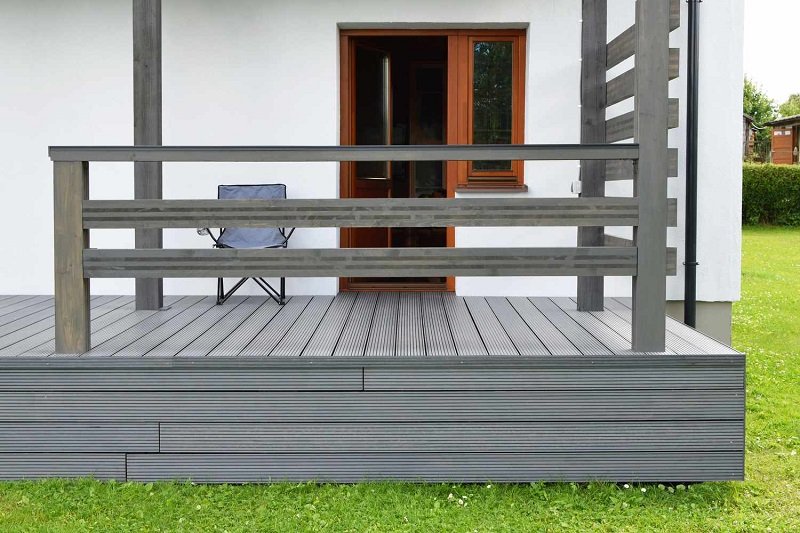
Composite decking responds best to gentle, controlled cleaning. The goal is to remove dirt, stains and organic growth without weakening the protective surface or altering the colour. These are the safest, proven methods that won’t put your boards at risk:
Warm water + soft bristle brush
This is the foundation of any safe composite deck cleaning routine. Warm water loosens surface dirt and pollen, while a soft brush helps lift grime without scratching the cap layer. It’s the best first step before using any specialised cleaner, simple, effective and impossible to damage the boards when used correctly.
pH-neutral composite deck cleaner
A pH-neutral detergent is specifically formulated for materials like composite boards. Because it’s neither acidic nor alkaline, it won’t react with the polymers or the protective cap.
These cleaners break down oily residues, spills and everyday grime gently, preserving both colour and texture. They’re ideal for regular maintenance or light stains.
Enzyme-based eco cleaners
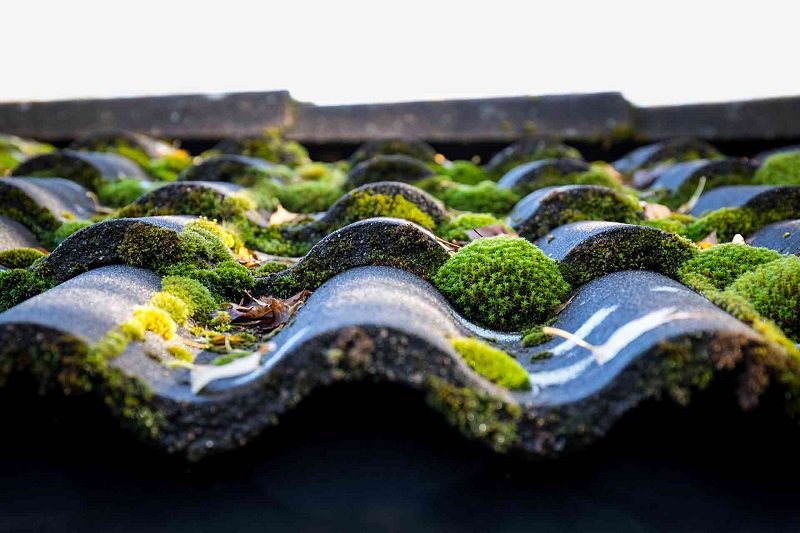
Enzyme cleaners work differently: they digest organic material such as mould, algae and mildew. This makes them perfect when your deck has slippery green patches or small areas of organic staining.
They’re especially useful on uncapped composite, where the porous surface can trap natural debris. Enzymes clean without abrasion, harsh chemicals or bleaching.
Oxygen-based cleaner (not chlorine bleach)
Oxygen cleaners use active oxygen (O₂ release) to lift stains safely. Unlike chlorine bleach, which strips colour and can attack the wood fibres inside composite boards, oxygen-based products brighten the surface without breaking down the material.
They’re effective on deep, embedded dirt, tannin stains and weathered patches, all while staying safe for both capped and uncapped boards.
Step-by-step guide to cleaning composite decking boards safely
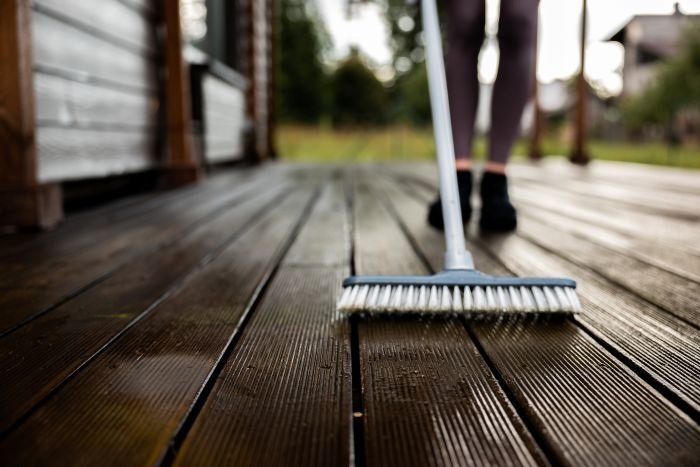
Follow these steps to clean your composite decking without risking scratches, fading or surface damage:
1. Prep the surface
Before applying any cleaner, make sure the deck is ready:
- Sweep away leaves, dust, pollen and loose debris, these can scratch the surface if scrubbed in.
- Move furniture, planters and grills so you can clean the boards evenly.
- Take note of stained or high-traffic areas to give them a bit more attention later.
2. Apply your chosen cleaner
Use the right method based on the cleaner you’ve selected:
- pH-neutral cleaners: dilute as directed, apply evenly across the boards and let it sit for the recommended dwell time.
- Enzyme-based cleaners: spray generously over organic stains and allow enzymes to break down mould or algae before scrubbing.
- Oxygen-based cleaners: mix the powder with warm water, spread it over the deck and let the oxygen activate to lift deeper stains.
Always follow the manufacturer’s instructions to avoid overuse or residue.
3. Scrub gently
- Use only a soft-bristle brush, never stiff or metal brushes.
- Scrub along the length of the boards, not in circular motions, circular scrubbing creates swirl marks that become visible in sunlight.
- Focus on stained spots but keep the pressure light.
4. Rinse with low pressure
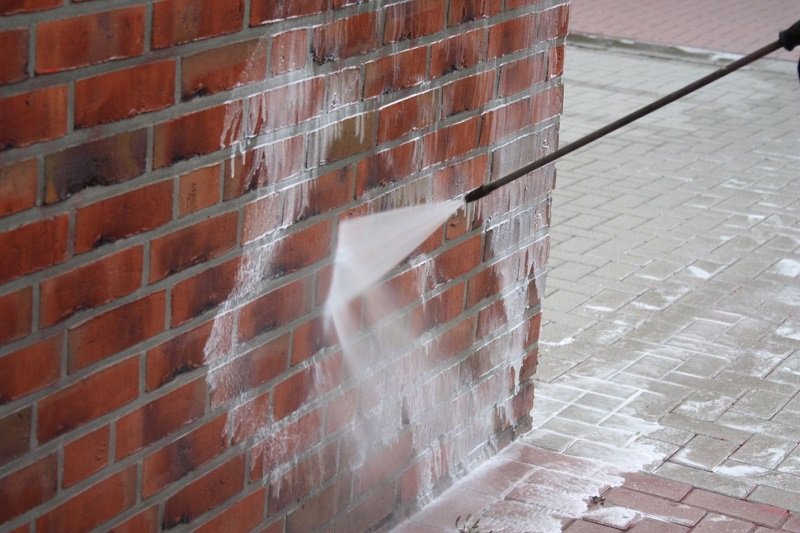
- If using a pressure washer, keep it between 500–800 PSI and maintain a wide fan tip held at a safe distance.
- Preferably, use a simple garden hose, it rinses away loosened dirt without any risk.
- High pressure can carve lines into the surface or strip the protective cap, causing permanent marks.
5. Let the boards dry fully
- Allow the decking to air-dry completely before placing furniture back.
- Full drying prevents trapped moisture, which can lead to mould returning faster.
- You’ll also be able to see clearly if any areas need a second light cleaning.
This step-by-step process keeps your composite deck clean, protected and looking consistently new.
How to remove specific stains from composite decking boards
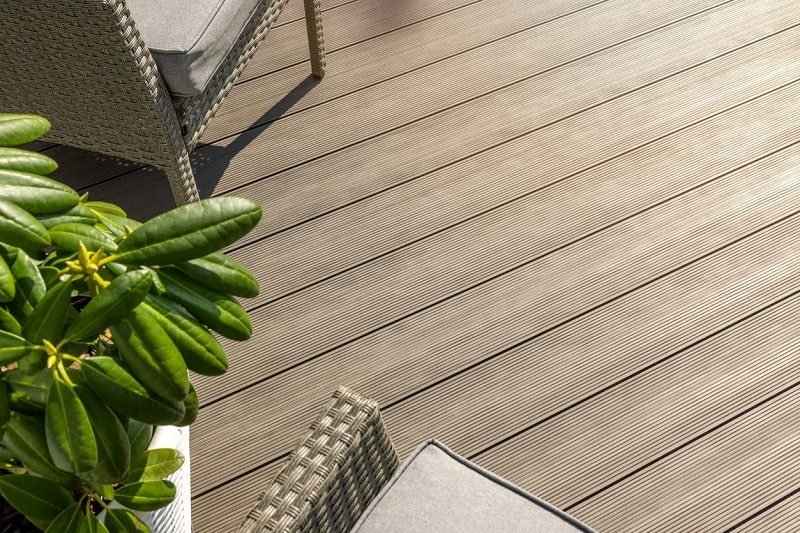
Different stains need different treatments. Here’s how to deal with the most common ones without damaging the boards:
Oil & grease stains
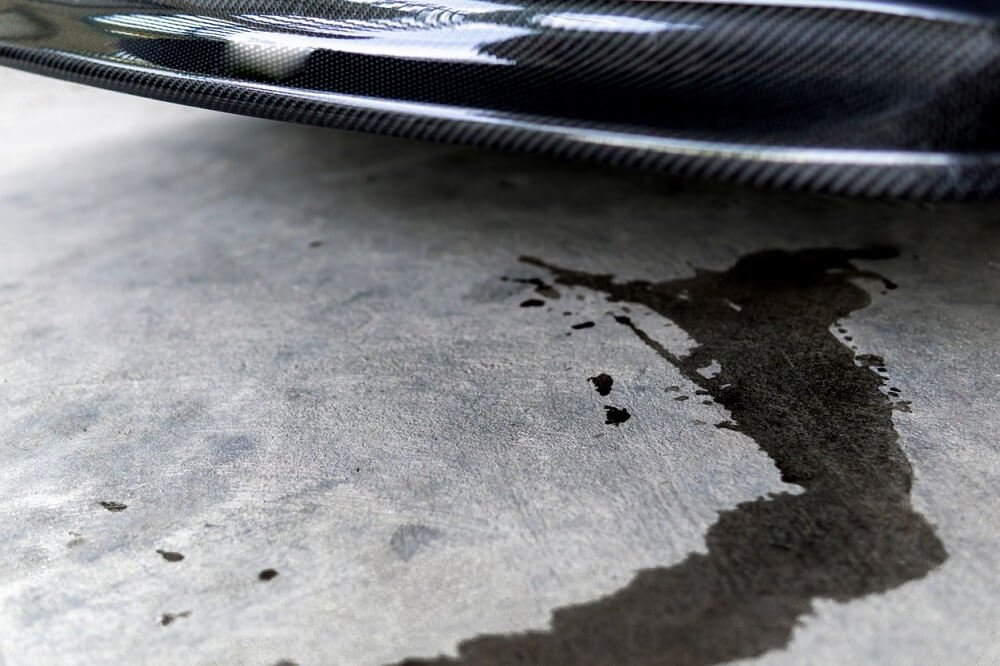
Oil penetrates composite material faster than most people expect, so act immediately.
- Blot fresh spills, don’t rub, as rubbing pushes the oil deeper.
- Use a non-abrasive, emulsifying cleaner designed to break down grease safely.
- Let it sit for a few minutes, then scrub gently along the boards and rinse with warm water.
Algae, mildew & mould
These are the most frequent problems, especially in shaded or damp areas.
- Use enzyme-based cleaners to digest organic growth without harsh chemicals.
- Alternatively, apply an oxygen-based cleaner to lift deeper patches of algae or mould.
- Avoid chlorine bleach, it damages composite fibres and causes discolouration.
Tannin stains from leaves
Tannins are natural compounds found in leaves, bark and some tree seeds. When they sit on the deck, moisture pulls these pigments into the surface, leaving brown or yellow marks.
- Start with warm water and a pH-neutral cleaner, which helps dissolve tannin residues.
- Let the solution soak in before scrubbing gently and rinsing thoroughly.
- Most tannin stains fade significantly after one or two cleanings.
Rust stains
Rust spots need careful treatment because many rust removers contain acids that can etch or lighten composite surfaces.
- Avoid acidic cleaners completely, they react with the polymers in composite boards.
- Use a specialised rust remover formulated for composite decking, which lifts the stain without damaging the cap.
- Apply, scrub lightly and rinse well.
These targeted methods keep your decking clean while protecting its finish and colour.
Tips to keep your composite decking boards clean all year

A clean composite deck isn’t just about the big seasonal wash, small habits make the biggest difference long term. Here’s how to keep it looking great month after month:
Give the deck a light wash once a month during warm seasons
A quick rinse and gentle brush prevent dirt build-up and stop stains before they settle.
Remove fallen leaves as soon as possible
Leaves release tannins that create brown stains if they sit on the boards, especially after rain.
Avoid placing plant pots directly on the deck
They trap moisture underneath, encouraging mould and leaving dark water-ring marks.
Inspect areas prone to standing water at least once a year
Blocked gaps or drainage issues can lead to algae and long-term discolouration.
Skip rubber-backed mats
The rubber can react with composite material and leave stubborn, dark stains that are hard to reverse.
With these simple habits, your composite decking will stay cleaner, brighter and in better condition all year round.
When DIY isn’t enough: Signs you need professional help
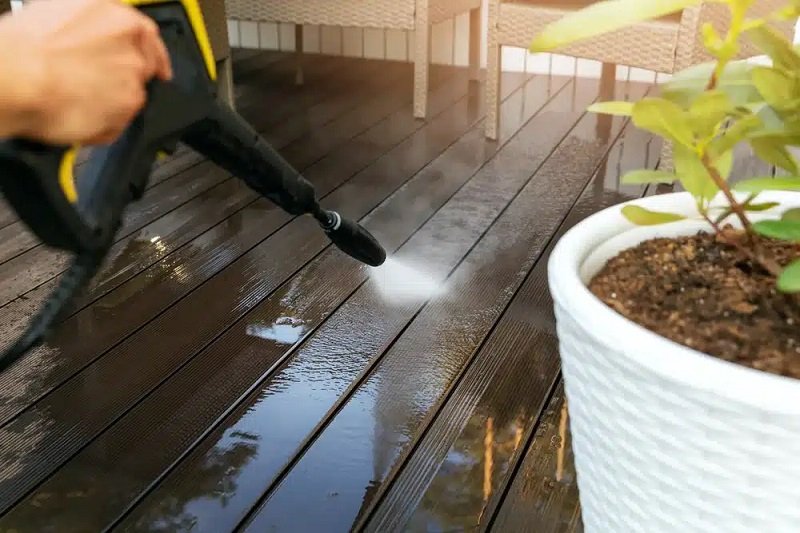
Some problems go beyond what safe home cleaning can fix. If you notice any of the signs below, it’s time to bring in a professional who can restore the deck without risking further damage:
Deep stains that don’t respond to proper cleaning
When oil, rust or old tannin marks have penetrated the surface, DIY methods may only make them look worse.
Persistent slippery areas or biofilm
If algae keeps returning even after enzyme or oxygen-based cleaning, the deck may need a specialist treatment to eliminate the underlying growth.
Widespread discolouration
Large faded patches or uneven colour often indicate that the protective cap has been affected, this needs expert handling.
Very old decking with worn or damaged caps
When the outer shell of capped composite boards is compromised, harsh cleaning is dangerous and professional restoration is the safest option.
Professional help from Bristol Blast Away
If your composite decking needs more than a standard clean, Bristol Blast Away has the experience, tools and safe methods to restore its appearance without damaging the material. Whether it’s deep stains, stubborn algae or older boards that need careful treatment, their team knows exactly how to handle composite surfaces properly.
Call Bristol Blast Away today for a free quote and let professionals bring your deck back to life.