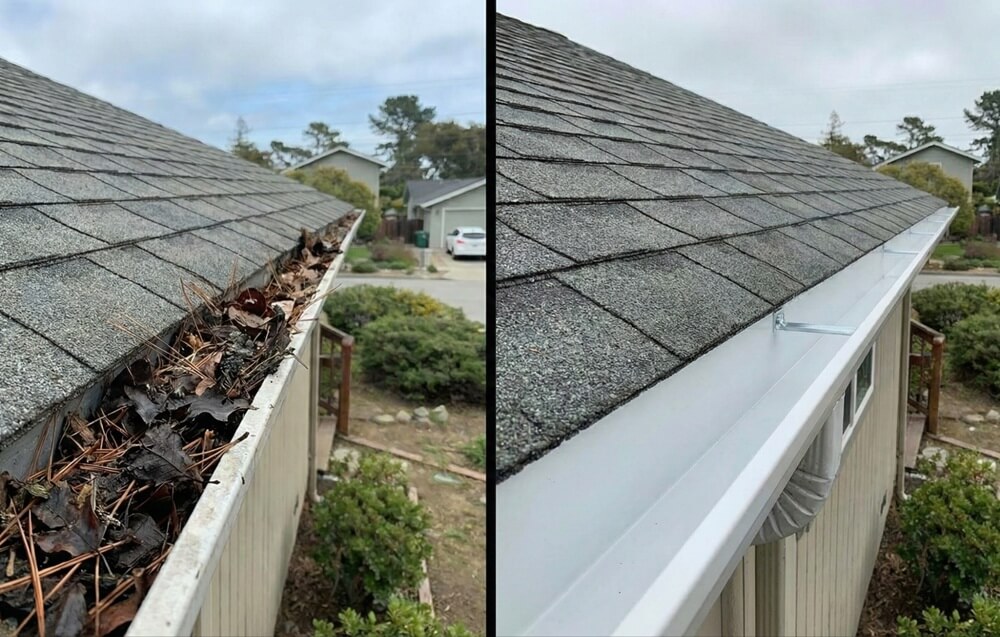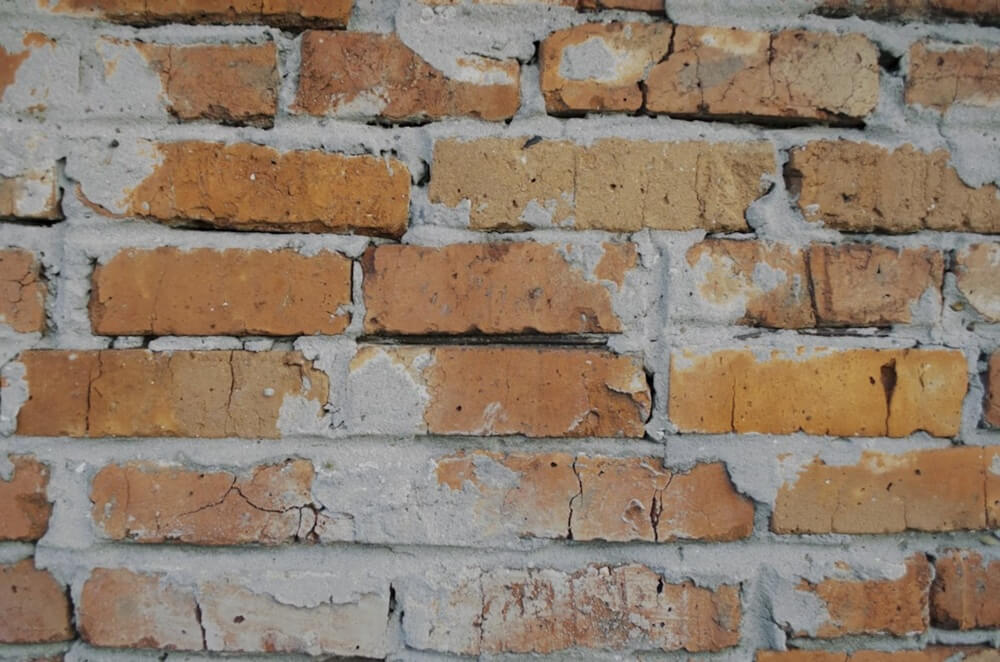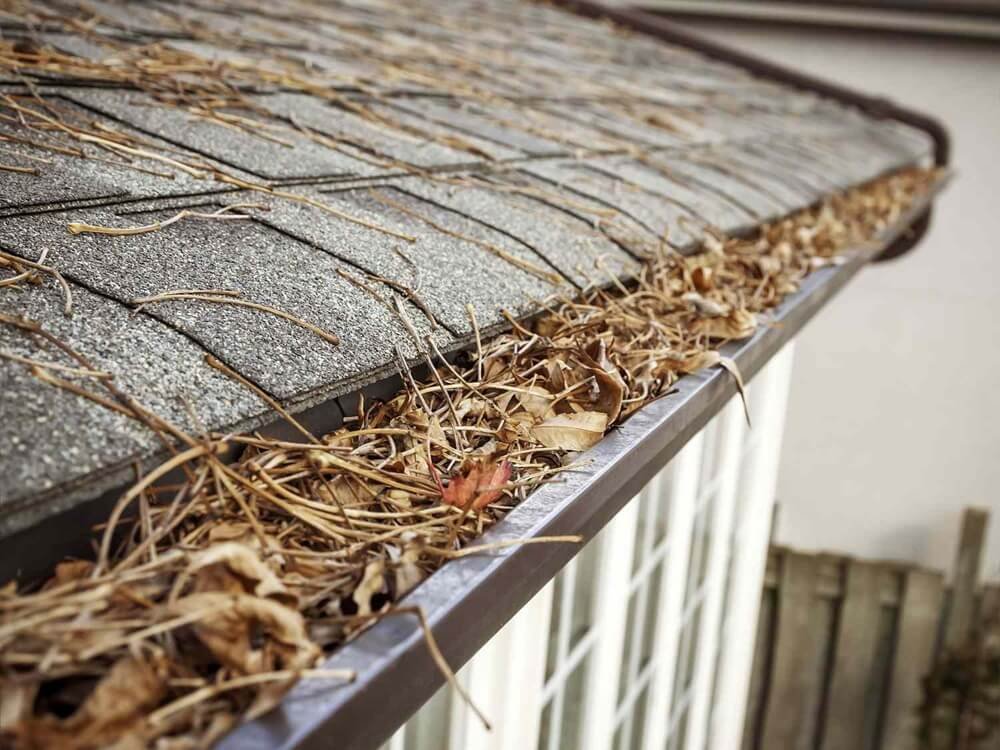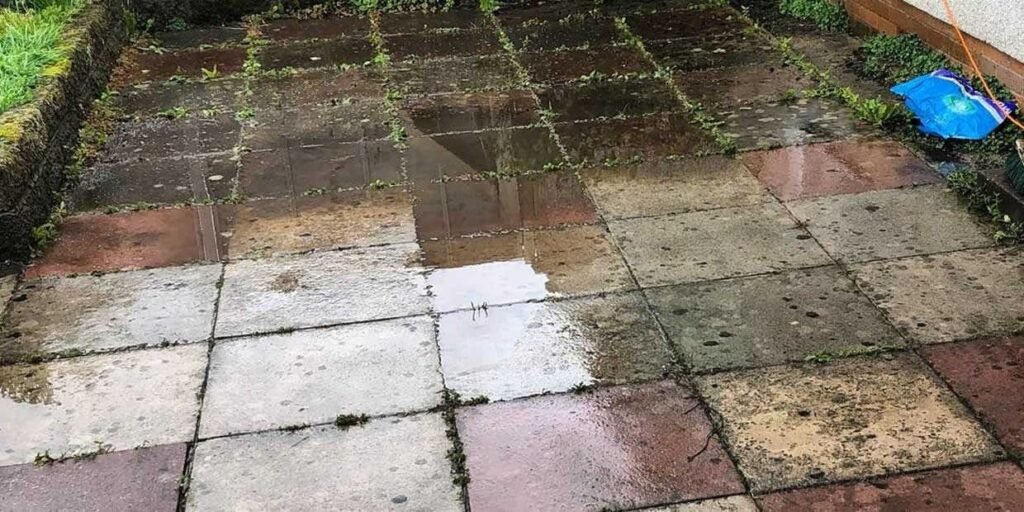



Clogged gutters rarely look like a serious problem at first. A bit of debris, some trapped leaves, maybe water that doesn’t flow quite right. But what’s happening out of sight can quickly turn into leaks, damp walls, damaged fascia boards or even issues around the foundations. Add working at height into the mix, and gutter cleaning becomes more than just an inconvenient task, it becomes a safety risk.
Many people try quick fixes or improvised solutions, assuming any method is good enough as long as the debris is gone. In reality, the way gutters are cleaned matters just as much as the cleaning itself. Using the wrong approach can damage the guttering, miss hidden blockages or create new problems that only show up later.
Understanding the best way to clean gutters means knowing how to remove debris effectively, protect the gutter system and stay safe throughout the process, without guesswork, shortcuts or unnecessary risks.
What is the best way to clean gutters?
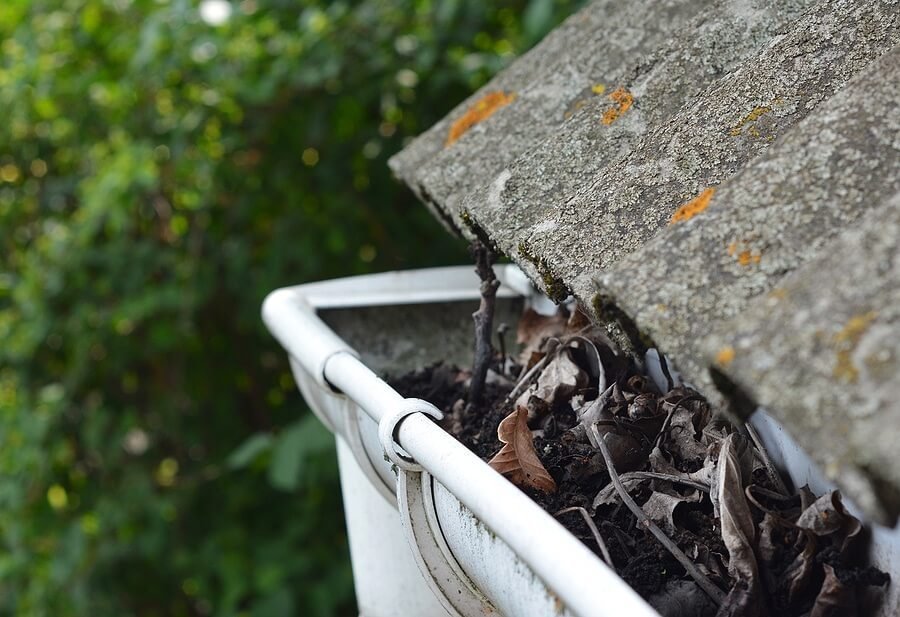
The best way to clean gutters is to safely remove all debris using controlled manual methods or professional equipment, followed by a thorough water flush to confirm proper flow through the entire system.
This approach ensures that leaves, silt and compacted buildup are fully cleared, not just pushed aside. It also allows potential issues such as blocked outlets, misaligned sections or early signs of damage to be noticed during the process.
By focusing on complete removal and verification rather than quick fixes, gutter cleaning is done correctly, safely and without putting unnecessary strain on the guttering or the property.
Tools needed to clean gutters properly
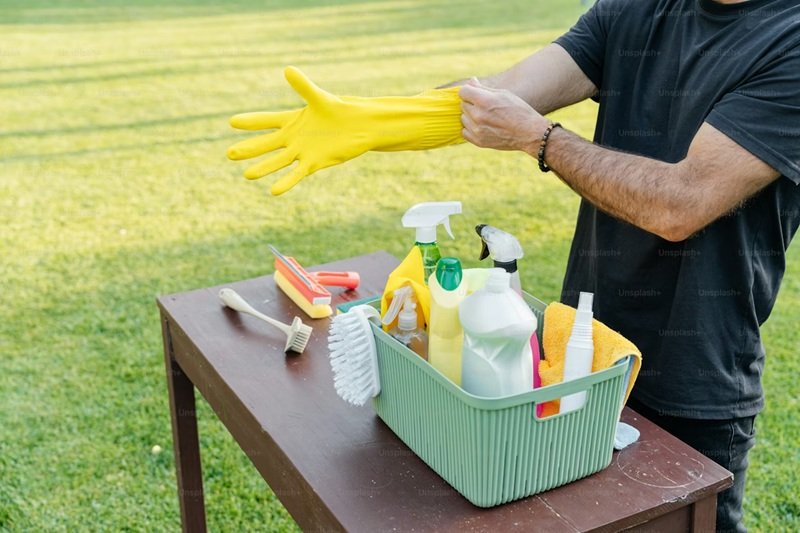
Cleaning gutters correctly isn’t about using as many tools as possible, but about having the right ones to remove debris safely and effectively without damaging the system. A proper setup keeps the process controlled, reduces risks and ensures nothing important is missed.
Protective gloves
Essential for handling wet debris, sharp edges and contaminated buildup commonly found inside gutters.
Gutter scoop or small trowel
Allows debris to be removed in a controlled way, especially compacted leaves, silt and mud that cannot be cleared by water alone.
Bucket or debris bag
Keeps removed waste contained, preventing mess on walls, paths or garden areas below.
Stable, secured ladder
Provides safe access to the gutter line and allows controlled movement along the property without overreaching.
Garden hose or gutter vacuum (where appropriate)
Used to flush remaining residue, check water flow and clear areas that are difficult to reach manually.
This combination of simple, practical tools ensures gutters are cleaned thoroughly, safely and without relying on improvised or damaging methods.
Step-by-step gutter cleaning process
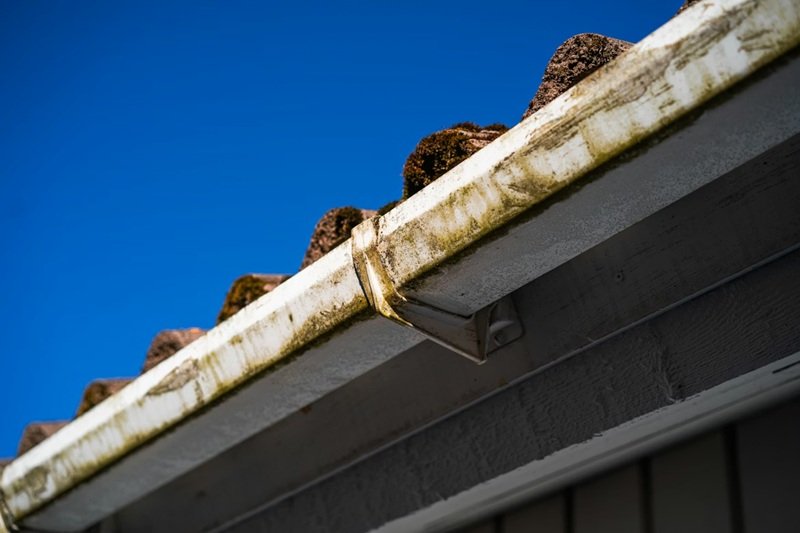
Step 1: Prepare the area and access safely
Before anything else, set up the job so it can be done without rushing or overreaching. Clear the ground below where you’ll be working (move bins, garden furniture, cars) and make sure the surface is stable and not slippery. Wear gloves and consider eye protection, because gutter debris can fall unexpectedly.
Position the ladder on firm, level ground and keep it at a safe angle. Secure it so it can’t shift, and never lean the ladder directly against fragile guttering. The goal is controlled access: climb, work within a comfortable reach, then reposition the ladder instead of stretching sideways. If conditions are unsafe (wind, rain, unstable ground, awkward height), it’s better to stop than force it.
Step 2: Remove debris by hand or with tools
Start dry, don’t flush with water yet. Remove the bulk of the blockage first so you’re not turning compacted debris into messy sludge that’s harder to clear.
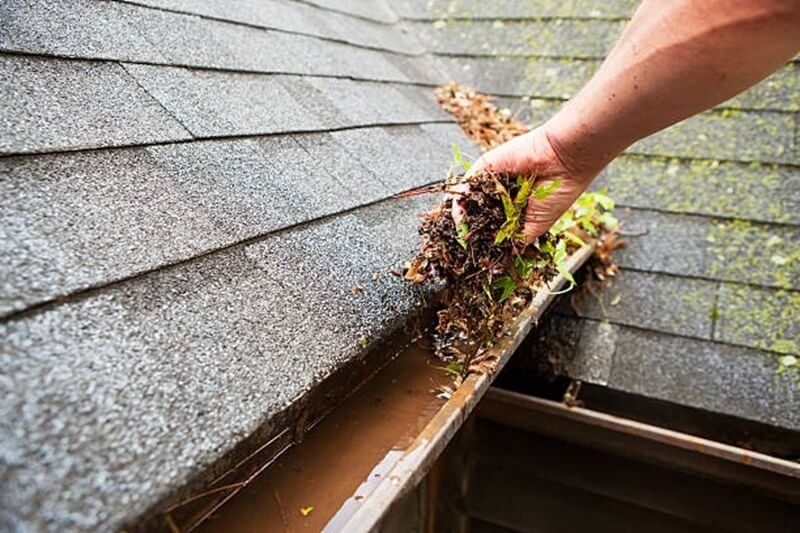
Using a gutter scoop or small trowel, work section by section, pulling out leaves, silt, moss and any compacted build-up. Drop everything into a bucket or debris bag to keep the area clean.
Pay extra attention around corners, joints and the outlet points, where debris tends to collect and form tight clogs. The aim at this stage is simple: get the gutter channel visibly clear along the run, not just “good enough” near the top.
Step 3: Flush the gutters and check flow
Once the debris is removed, flush the guttering with a garden hose (or use a vacuum setup where suitable) to clear remaining residue and confirm that water travels freely toward the outlets. Start gently and work along the run, watching how the water behaves.
You’re checking for three things: steady flow, no pooling, and no overflow at seams or weak points. If water backs up or drains slowly, that usually signals a blockage at the outlet or within the downpipe and it’s best to spot that here, while you’re already set up, rather than assuming the job is finished.
Common gutter cleaning mistakes to avoid

Even when the intention is good, gutter cleaning often goes wrong because of simple but avoidable mistakes. Understanding what not to do is just as important as knowing the correct method, especially when safety and long-term damage are involved.
Using high pressure incorrectly
High-pressure water can dislodge joints, damage seals or force water behind the guttering if used without control. Instead of cleaning properly, it often spreads debris further into the system or causes leaks that only become visible later.
Ignoring downpipes
Clear gutters don’t mean much if the downpipes remain blocked. Skipping this step can leave water with nowhere to go, leading to overflow even after the gutter channel itself looks clean.
Unsafe ladder use
Overreaching, working on unstable ground or leaning ladders directly on the guttering increases the risk of falls and damage. Many accidents happen not during cleaning itself, but when trying to “reach just a little further” instead of repositioning safely.
Pushing debris into drains or outlets
Forcing leaves and sludge toward outlets may seem quicker, but it often creates harder blockages deeper in the system. This can result in slow drainage, hidden clogs or issues that require far more effort to fix later.
Avoiding these common mistakes helps ensure gutter cleaning is effective, safe and doesn’t create new problems while trying to solve the original one.
Is DIY gutter cleaning always the best option?
Cleaning gutters yourself can work in straightforward situations, but it isn’t always the safest or most effective choice. The complexity of the job depends on factors like building height, access and available equipment. In many cases, attempting to handle everything alone can introduce unnecessary risks.
When professional gutter cleaning may be safer
High or multi-storey buildings: Working at height increases the risk of falls and makes safe ladder positioning far more difficult.
Difficult or restricted access: Extensions, conservatories, uneven ground or narrow access points often require specialised equipment rather than standard ladders.
Lack of proper equipment: Without the right tools, debris may not be fully removed and safety measures can be compromised.
Personal safety concerns: If working at height feels unsafe or unstable, it’s better not to take chances that could lead to injury.
In these situations, having the work handled by experienced professionals, such as Bristol Blast Away, can help ensure gutter cleaning is carried out safely, thoroughly and without unnecessary risk to people or property.
Cleaning gutters on different property types

Not all properties are built the same, and gutter cleaning shouldn’t be approached with a one-size-fits-all mindset. Roof layout, access points and drainage design all influence how gutters should be cleaned and checked properly.
Terraced houses
Terraced properties often have limited access and shared rooflines, which makes positioning ladders more challenging. Gutters may run continuously across multiple properties, so blockages in one section can affect neighbouring buildings. Careful, section-by-section cleaning is important to avoid pushing debris toward shared outlets or inaccessible areas.
Semi-detached homes
Semi-detached houses usually offer better access than terraced properties but still include shared gutters or connecting roof sections. Extra attention is needed around the joining point between properties, where debris often accumulates and water flow issues can develop unnoticed.
Detached homes
Detached properties typically allow easier access around the full perimeter, but they often have longer gutter runs, multiple downpipes and more complex rooflines. Cleaning needs to be systematic to ensure no section is missed and that water drains evenly across the entire system.
Extensions & garages
Extensions, garages and add-on structures frequently create awkward angles, hidden gutters or changes in roof height. These areas are commonly overlooked during cleaning, even though they are prone to blockages due to altered water flow and debris buildup from the main roof.
Adapting the cleaning approach to each property type helps ensure the gutter system works correctly, without missed sections or unnecessary risks.
Need help cleaning your gutters safely?

If gutter cleaning feels risky, difficult to access or simply harder than expected, getting a bit of expert help can make all the difference. Some properties require more than basic tools and a ladder to be cleaned properly and without putting safety at risk.
Bristol Blast Away provides professional gutter cleaning as part of their exterior services, focusing on safe access, thorough debris removal and proper water flow checks. The aim isn’t quick fixes, but making sure gutters are cleared correctly and left working as they should.
Whether it’s a challenging property layout or just peace of mind you’re looking for, having experienced hands take care of the job can be a practical and stress-free option.