

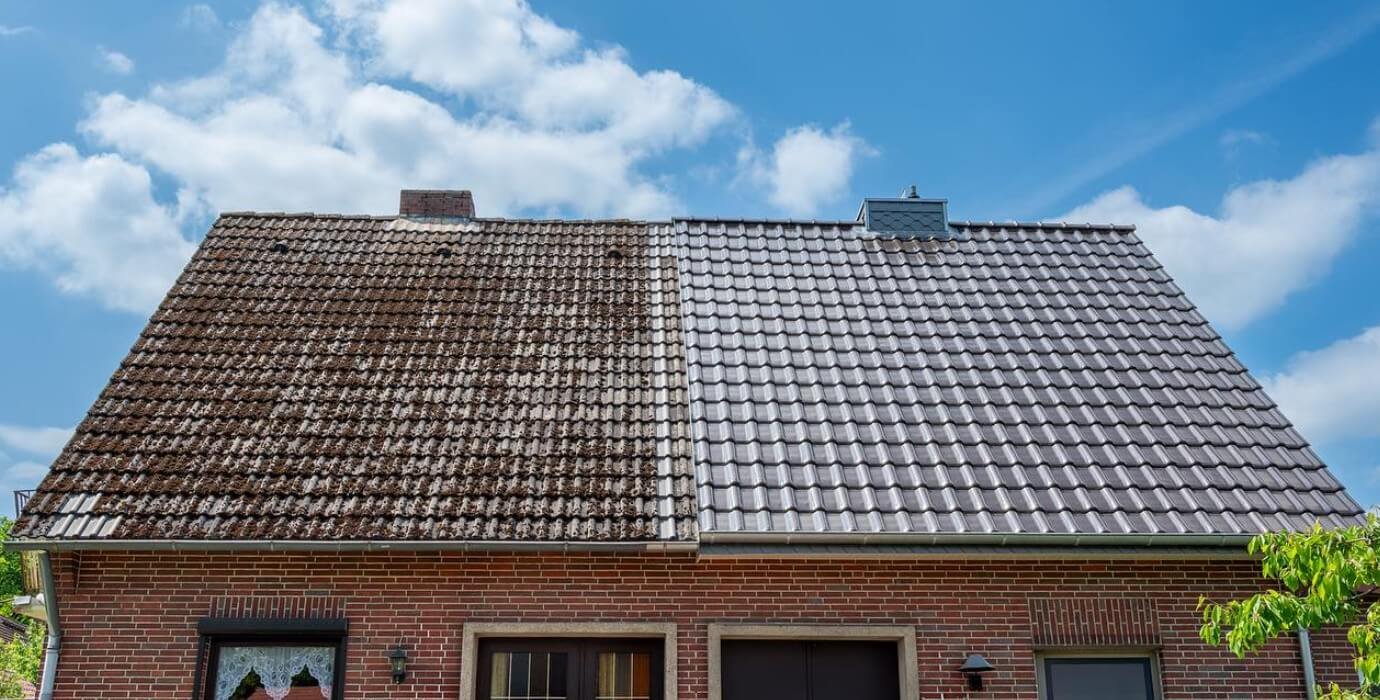
Moss on a roof is more than just an aesthetic issue. What often starts as a thin green layer can slowly trap moisture, lift tiles, and compromise the surface designed to protect the entire property. Over time, this hidden buildup can lead to premature wear, water penetration, and costly structural problems that are easy to overlook until real damage appears.
Removing moss is not simply about making a roof look cleaner. The method used plays a critical role in preserving the integrity of the roofing materials and ensuring long-term protection. Aggressive or incorrect techniques can cause more harm than the moss itself, especially when safety and surface compatibility are ignored.
Understanding the safest and most effective way to remove moss means knowing how to eliminate growth at its root while protecting the roof and the people working on it. This article explores what truly works, what should be avoided, and why the right approach makes all the difference.
Why moss on a roof should not be ignored
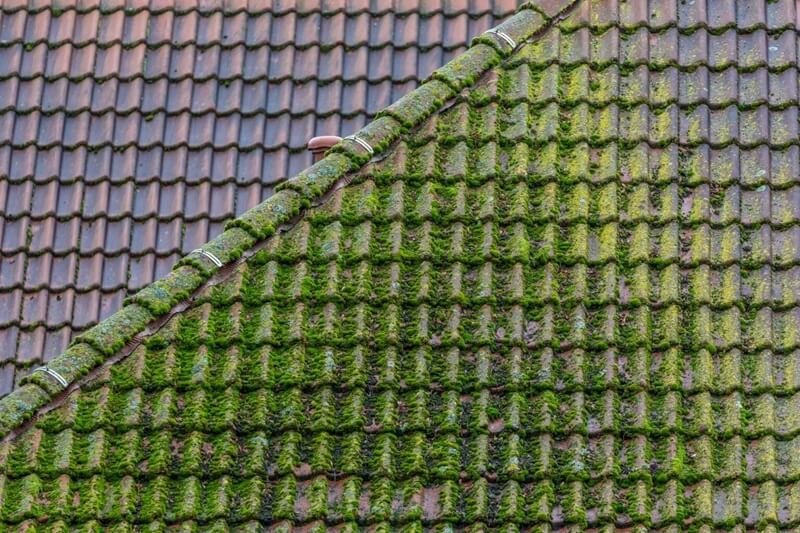
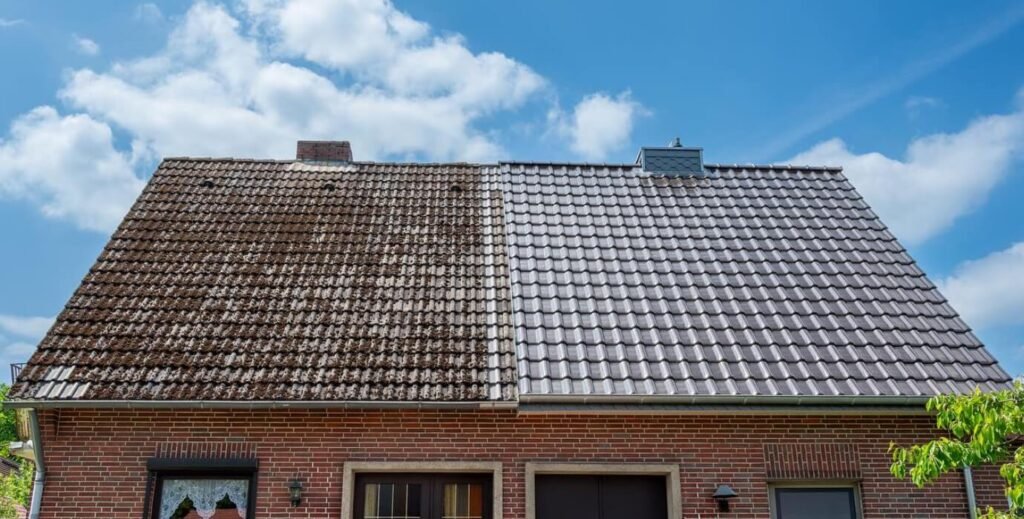
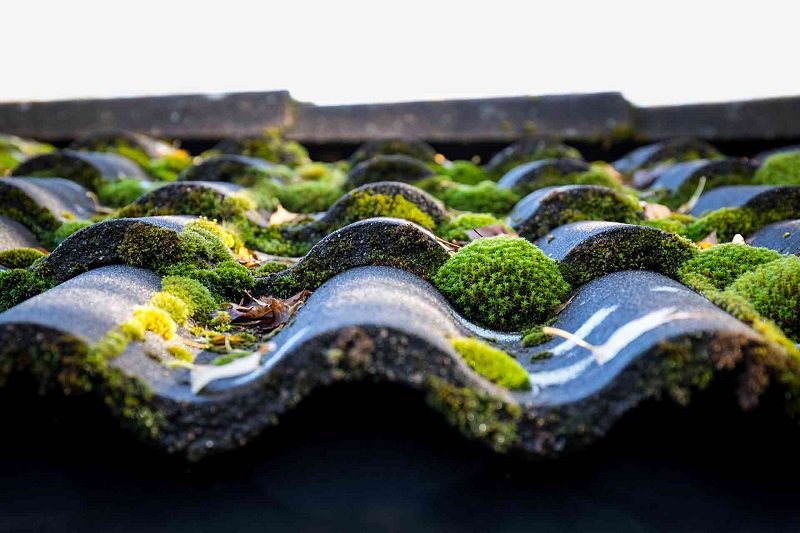
Moss may appear harmless at first, but its presence on a roof can create a series of problems that go far beyond surface appearance. One of the main concerns is moisture retention. Moss acts like a sponge, holding water against the roof surface for extended periods. This constant dampness prevents proper drying and creates conditions that accelerate material fatigue.
Over time, retained moisture contributes to the gradual degradation of roof tiles. As moss spreads, it can lift tile edges, weaken their protective coating, and increase the likelihood of cracking or displacement. Once the structural integrity of the tiles is compromised, the roof becomes far more vulnerable to weather exposure.
Beyond physical damage, moss also gives a property an unkempt and neglected appearance. Even a well-maintained building can look poorly cared for when moss growth is visible across the roofline, which can affect perceived value and overall presentation.
Perhaps the most serious risk is water infiltration. Damaged or lifted tiles allow moisture to penetrate beneath the roof covering, where it can affect underlay, timbers, and insulation. Left unaddressed, this can lead to hidden internal damage that is far more complex and costly to resolve.
What is the best way to remove moss from a roof?
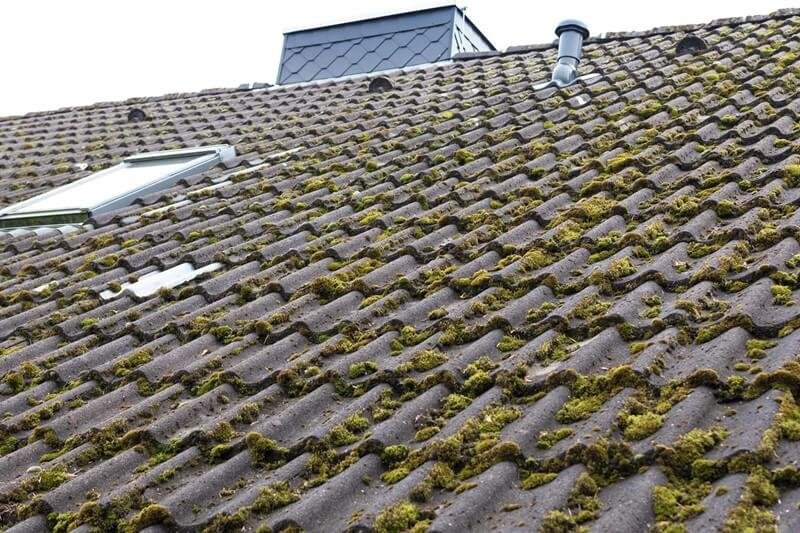
The best way to remove moss from a roof is through careful manual removal followed by the application of a safe, roof-friendly treatment that prevents regrowth. This approach allows moss to be cleared without damaging tiles, while addressing spores and organic residue that remain after visible growth is removed.
Manual removal ensures controlled, targeted cleaning, reducing the risk of cracked, lifted, or eroded tiles that can occur with aggressive methods. When carried out correctly, it removes moss buildup from the surface without forcing water beneath the roofing structure.
A professional-grade treatment is then used to neutralise remaining moss spores and slow down future growth. Unlike harsh chemicals, safe treatments work gradually, allowing the roof to weather naturally while maintaining the integrity of the materials. This combined method delivers long-term results while prioritising both roof protection and safety.
Roof types and how moss should be removed
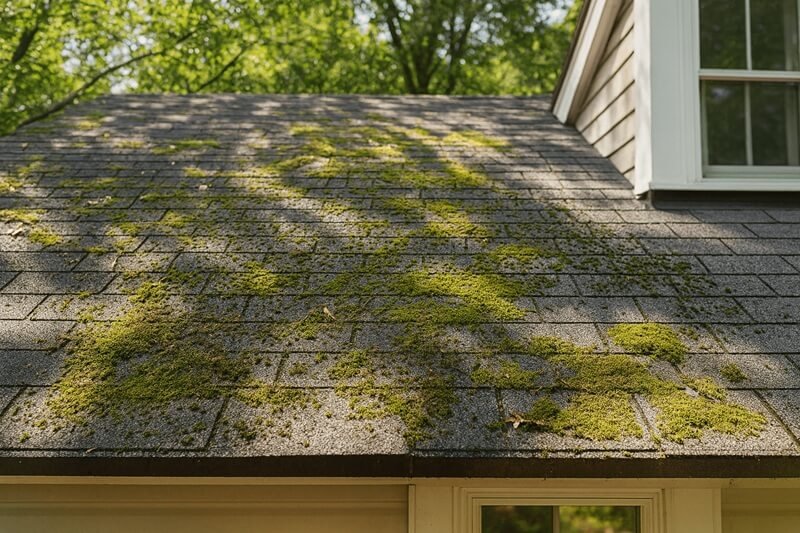
Not all roofs react the same way to moss removal. The material, structure, and surface finish of a roof determine how moss should be cleared safely and effectively. Applying a single method to every roof type can result in unnecessary damage, which is why understanding these differences is essential.
Tile roofs (ceramic and concrete)
Tile roofs are commonly affected by moss due to their textured surface, which allows moisture and organic matter to settle. While tiles are durable, they are not designed to withstand high pressure. Excessive force can strip protective coatings, loosen fixings, or force water beneath the tiles. Moss should be removed carefully, with controlled manual techniques that preserve the surface and prevent structural disturbance.
Slate roofs
Slate is a natural material that requires a particularly gentle approach. Its smooth surface and layered structure make it more vulnerable to cracking, chipping, or delamination if handled incorrectly. Moss removal on slate roofs should focus on low-impact methods that clear growth without stressing the material, ensuring the roof retains both its function and appearance.
Flat roofs
Flat roofs tend to experience different moss-related issues, often linked to water pooling and restricted drainage. Moss and organic buildup can obstruct outlets and create areas where moisture lingers. Removal must be carried out in a way that clears debris without damaging membranes or affecting drainage performance, as even minor surface damage can compromise waterproofing.
Tools and equipment used for moss removal
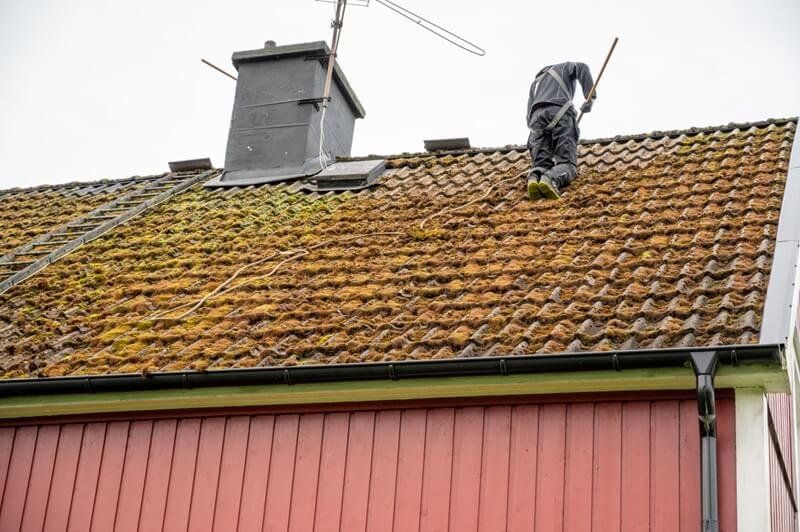
Effective moss removal relies on using the right tools rather than aggressive force. Proper equipment allows moss to be cleared safely while protecting the roof surface and reducing the risk of unnecessary damage.
Soft brushes are commonly used to loosen and remove moss from tiles without scratching or stripping protective coatings. Their controlled action makes them suitable for delicate surfaces where precision is essential.
Hand tools are used for targeted removal in heavily affected areas. These tools allow careful control, helping to lift moss buildup without dislodging tiles or forcing debris beneath the roof structure.
Low-pressure application equipment is essential when applying roof-safe treatments. Gentle application ensures even coverage without driving moisture into vulnerable areas, allowing treatments to work gradually and effectively.
Protective equipment plays a critical role in safe moss removal. Proper footwear, harnesses, and personal protective gear reduce the risk of injury and ensure work can be carried out securely, especially on pitched or fragile roofs.
Step-by-step moss removal process
A proper moss removal process follows a structured approach that prioritises roof protection, safety, and long-term effectiveness. Each step plays an important role in ensuring moss is removed without causing unnecessary damage.
Step 1: Inspect the roof and assess moss growth
The process begins with a thorough inspection of the roof. This involves identifying the extent of moss growth, locating heavily affected areas, and noting any sensitive sections such as damaged tiles, flashing, or roof edges. Assessing these factors helps determine the safest removal method and prevents accidental damage during cleaning.
Step 2: Remove surface moss carefully
Surface moss is removed using controlled, manual techniques. The focus is on lifting and clearing moss without applying excessive force or high pressure. Gentle removal protects tiles, prevents displacement, and avoids forcing debris or moisture beneath the roof covering.
Step 3: Apply a moss treatment if needed
Once visible moss has been removed, a suitable treatment may be applied to address remaining spores and organic residue. These treatments are designed to work gradually, supporting prevention rather than relying on aggressive chemical action that could harm roofing materials.
Step 4: Rinse and check drainage
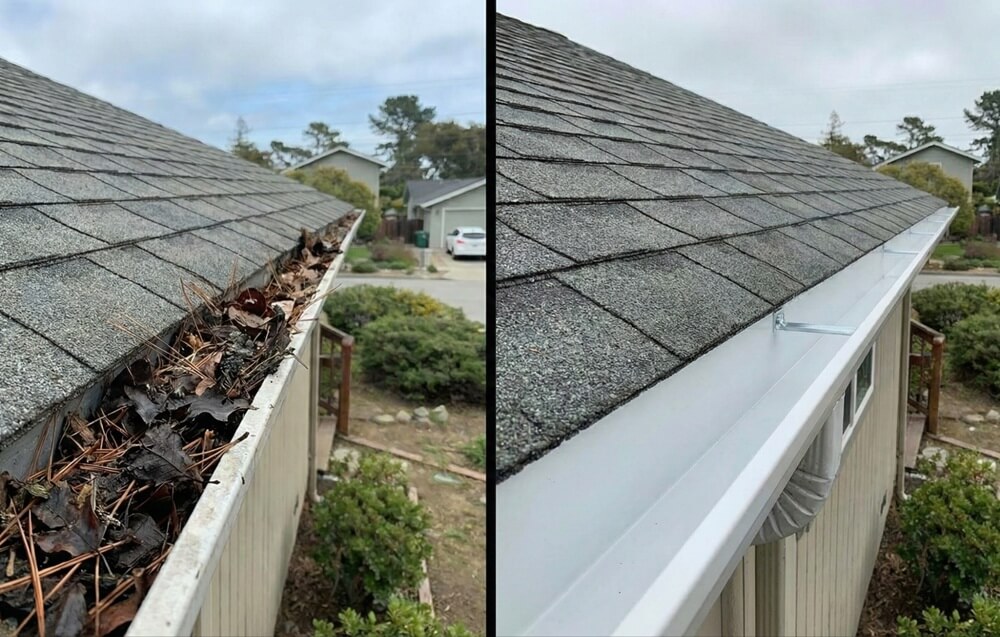
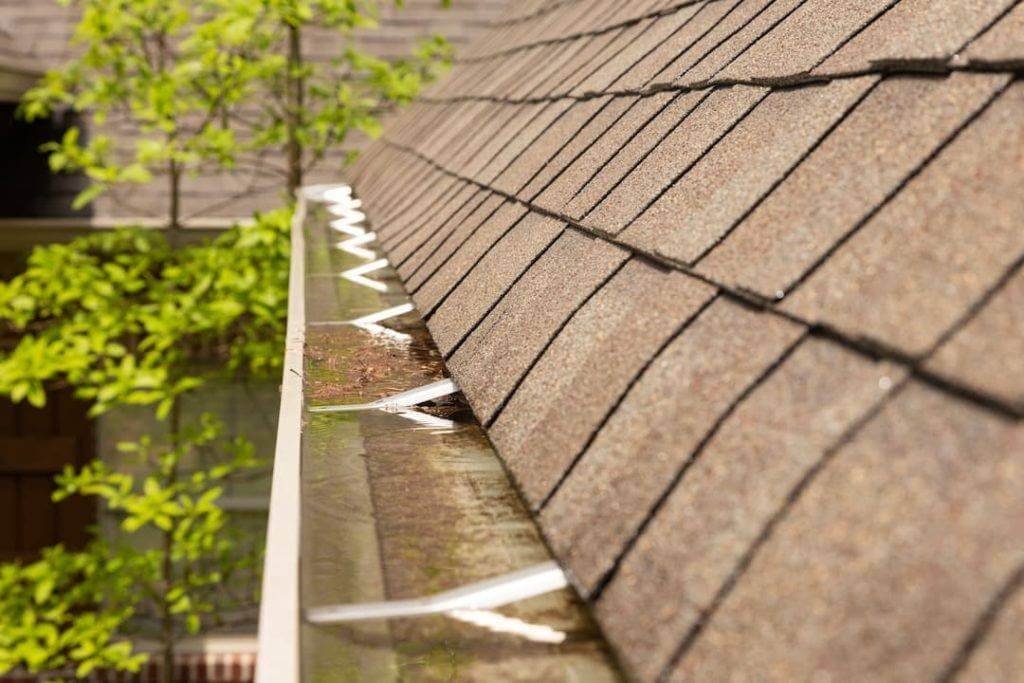
The final step involves a light rinse to clear loosened debris, followed by checking drainage points such as gutters and outlets. Ensuring water flows freely confirms that moss removal has not obstructed drainage and that the roof is left in a clean, functional condition.
Common mistakes to avoid when removing roof moss
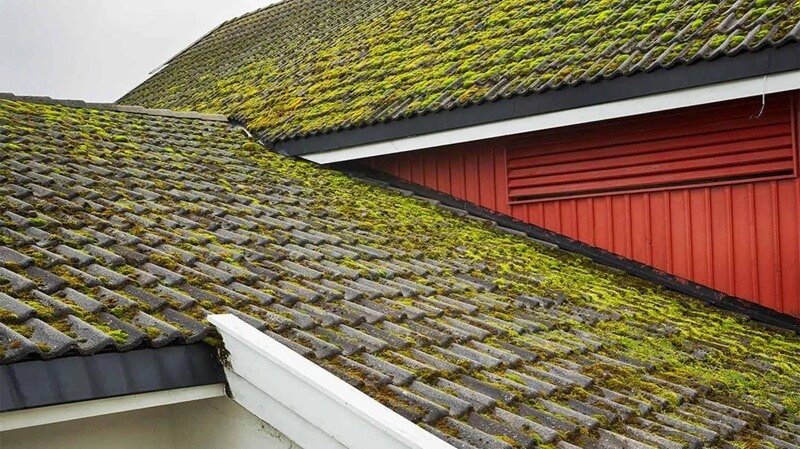
Removing moss from a roof without the right approach can lead to costly damage and unnecessary safety risks. Below are the most common mistakes that should be avoided.
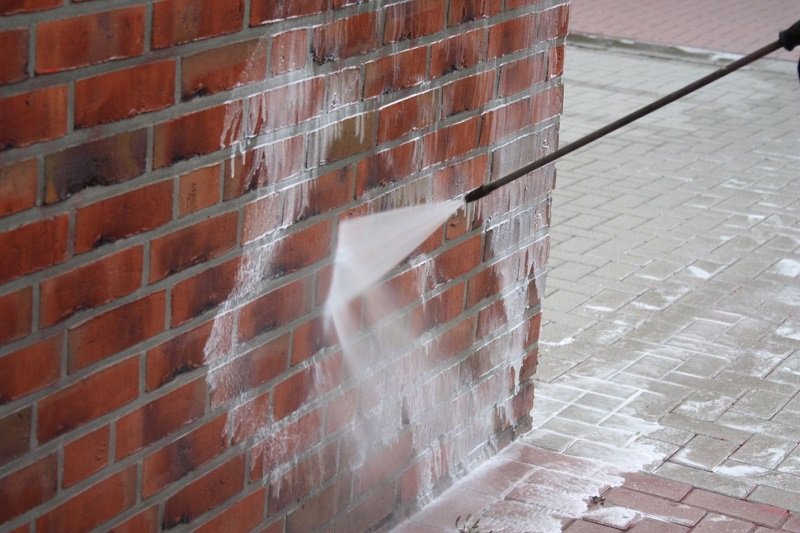
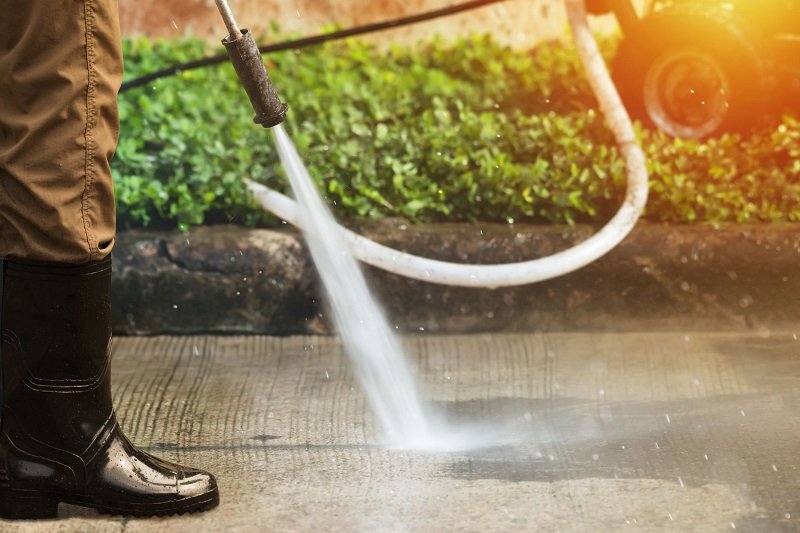
– Using pressure washing on roof tiles can strip protective coatings, crack tiles, and force moisture beneath the roof covering, often causing more damage than the moss itself.
– Applying harsh or unsuitable chemicals may weaken roofing materials, damage surface finishes, and create long-term issues instead of providing a safe, effective solution.
– Walking directly on tiles without proper support can lead to cracked or displaced tiles, as most roofing materials are not designed to carry weight evenly.
– Ignoring essential safety measures significantly increases the risk of accidents, especially when working at height without appropriate protective equipment.
Can you remove roof moss yourself?
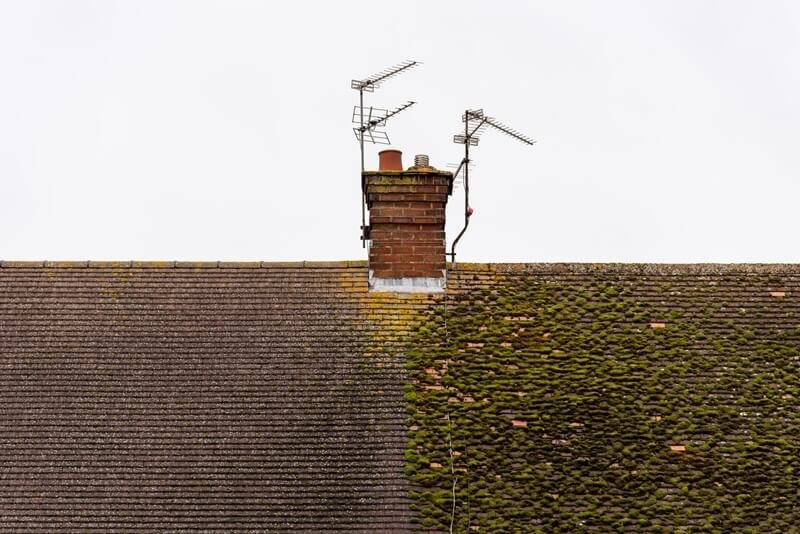
In some situations, light moss growth can be addressed through basic DIY methods, such as gentle manual removal in easily accessible areas. When carried out carefully and with an understanding of the roof surface, this may help improve appearance in the short term.
However, risks increase quickly once roof height, steep pitches, or older materials are involved. Working at height without proper equipment significantly raises the chance of accidents, while incorrect techniques can damage tiles, compromise waterproofing, or create hidden structural issues. Older roofs, in particular, are more vulnerable to cracking or displacement during moss removal.
Professional moss removal is generally recommended for steep roofs, multi-storey properties, and surfaces showing heavy or widespread growth. In these cases, the correct tools, controlled methods, and safety measures are essential to protect both the roof and the person carrying out the work.
Specialist services such as Bristol Blast Away focus on roof cleaning methods that combine manual moss removal with safe, low-impact treatments, ensuring the roof is cleaned effectively without unnecessary force or risk. This approach is particularly important for properties where access, roof condition, or material sensitivity make DIY solutions impractical or unsafe.
How moss removal helps extend roof lifespan
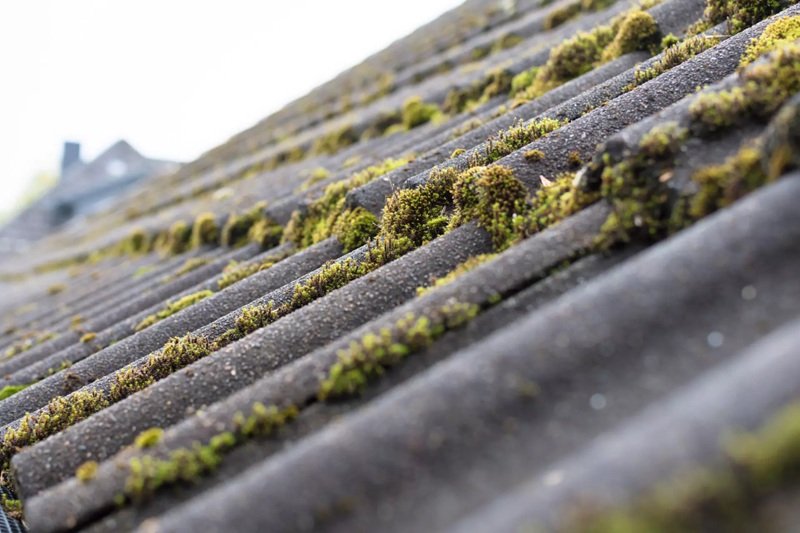
Removing moss from a roof plays an important role in preventing long-term damage and preserving the condition of roofing materials. By eliminating growth that traps moisture, the roof is able to dry properly, reducing the risk of gradual material breakdown and surface deterioration.
Regular moss removal also helps keep maintenance costs under control. Addressing buildup early prevents minor issues from developing into more complex problems, such as cracked tiles, compromised underlay, or internal water damage that often requires costly repairs.
Protecting the roof surface from prolonged moisture exposure supports the overall structural integrity of the property. When tiles remain intact and correctly positioned, the roof continues to function as intended, shielding the structure beneath from unnecessary stress and weather-related wear.
Need help removing moss from your roof safely?
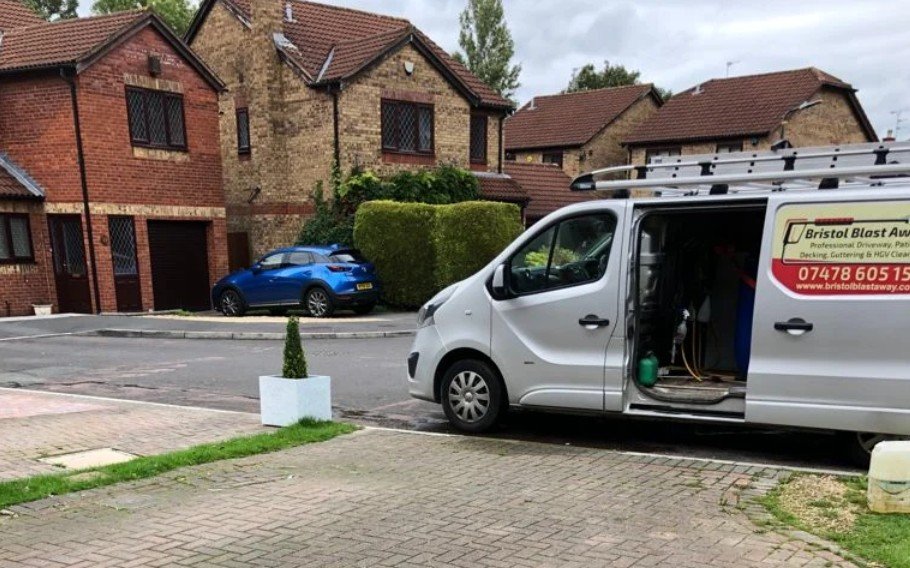
If you are unsure about the safest way to deal with moss on your roof, getting professional input can help you avoid unnecessary risks and damage. Roof height, pitch, and material all play a role in choosing the right approach, and not every situation is suitable for DIY removal.
If your property is in Bristol or nearby areas, you can contact Bristol Blast Away for advice and professional roof cleaning support. Whether you need guidance, an assessment, or safe moss removal carried out properly, help is available locally without pressure or obligation.
Reaching out early can protect your roof, reduce future costs and ensure the work is done safely and correctly.