

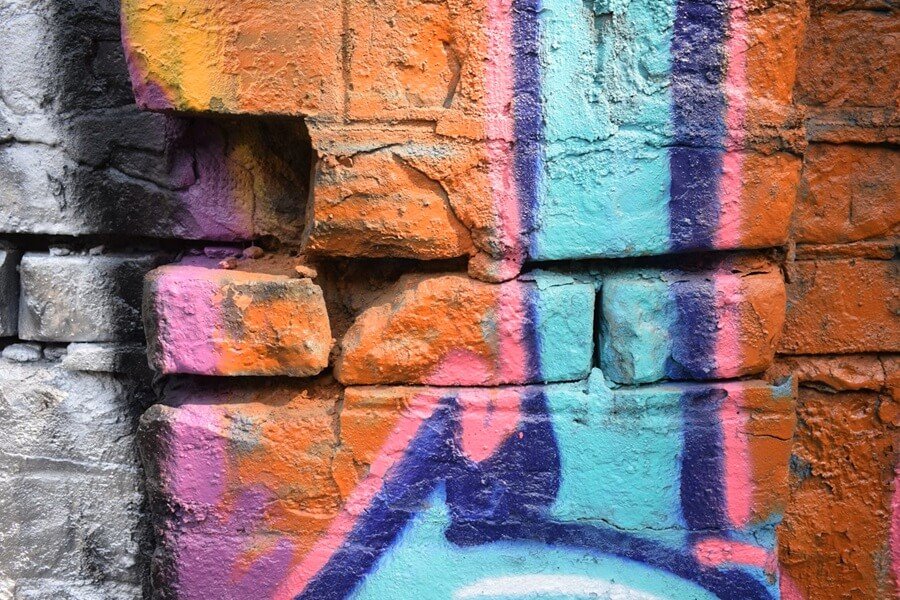
Graffiti on a brick wall is very different from graffiti on smooth surfaces. Brick is porous, which means paint and ink are absorbed into the material rather than sitting on top. This makes removal more complex and increases the risk of permanent staining if the wrong method is used.
There are no quick fixes when it comes to cleaning graffiti from brick. Aggressive chemicals or high pressure can easily damage the surface or push the paint deeper into the brickwork. That’s why a controlled, surface-appropriate approach is essential.
In this article, we’ll explain how graffiti can be removed from brick walls safely, what methods work best, and what limitations you should be aware of before attempting any removal.
Why removing graffiti from brick walls requires attention
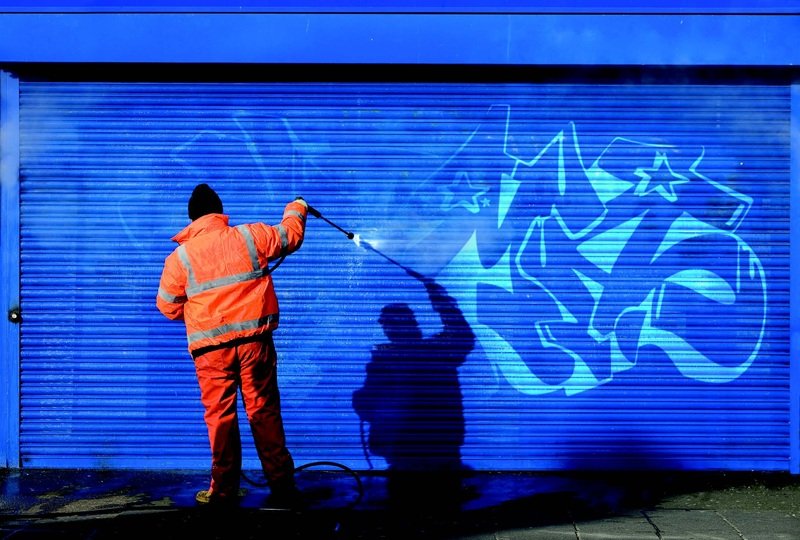
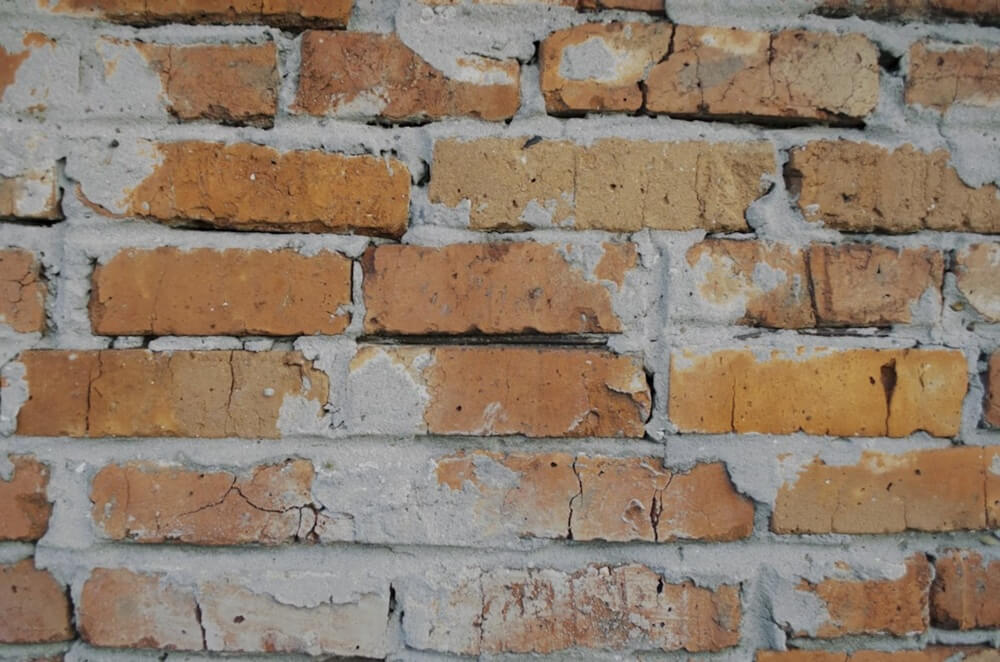
Brick is a highly porous material, which means graffiti paint doesn’t remain on the surface. Instead, it is quickly absorbed into the brick and, in many cases, into the mortar as well. Once this happens, the graffiti becomes much harder to remove compared to smooth or sealed surfaces.
Because of this absorption, improper cleaning attempts often leave behind permanent stains or visible shadows, even if the graffiti appears partially removed. Using the wrong products or too much pressure can also damage the brick face, altering its texture and appearance.
This is why graffiti removal from brick walls requires extra care. The goal isn’t just to remove visible paint, but to do so without causing long-term discolouration or surface damage that can’t be reversed.
Factors influencing the removal of graffiti from brick

Type of brick surface: Smooth, dense bricks tend to absorb less paint, while older or more porous brickwork allows graffiti to penetrate deeper, making removal more difficult and increasing the risk of staining.
Type of paint or marking used: Spray paint, markers and inks behave differently on brick. Some paints spread quickly into the surface, while others leave stronger pigments that are harder to fully lift.
How long the graffiti has been in place: Fresh graffiti is generally easier to remove. Over time, paint cures and bonds with the brick, which can lead to deeper absorption and more visible shadowing after cleaning.
Existing surface treatments: Bricks that have been sealed or treated with a protective coating are often easier to clean, as the graffiti is less likely to soak into the material compared to untreated surfaces.
Commonly used methods for removing graffiti from bricks
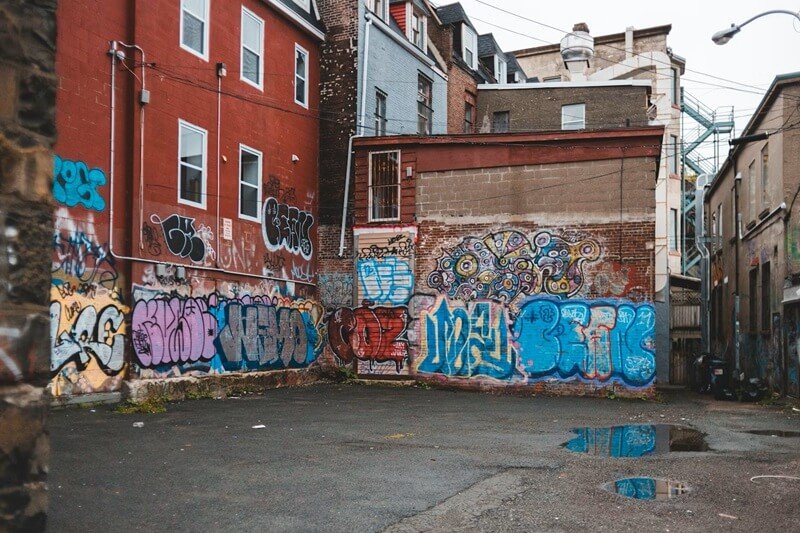
There are several approaches commonly used to deal with graffiti on brick walls, but no single method works in every situation. The effectiveness and safety of each option depend on the type of brick, the depth of paint absorption and the condition of the surface. Choosing the wrong approach can lead to staining, surface damage or uneven results.
Chemicals for removing graffiti
Specialist chemical products are designed to break down graffiti paint so it can be lifted from the brick surface. Because bricks vary widely in porosity and finish, these products should always be tested on a small, discreet area first. When used incorrectly, chemicals can cause discolouration, leave visible residues or permanently alter the appearance of the brickwork.
Pressure washing and mechanical methods
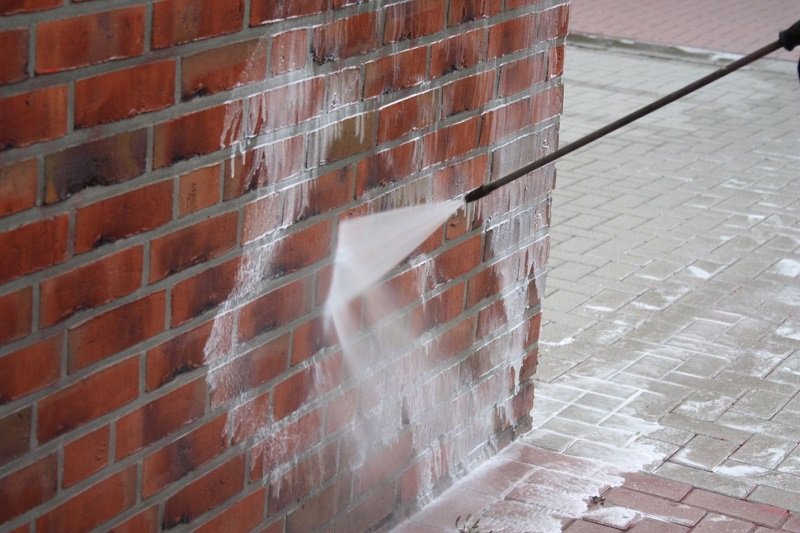
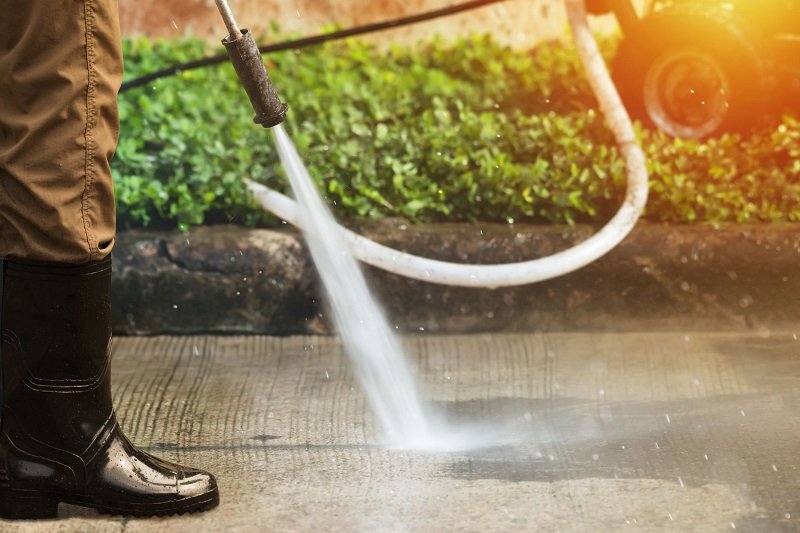
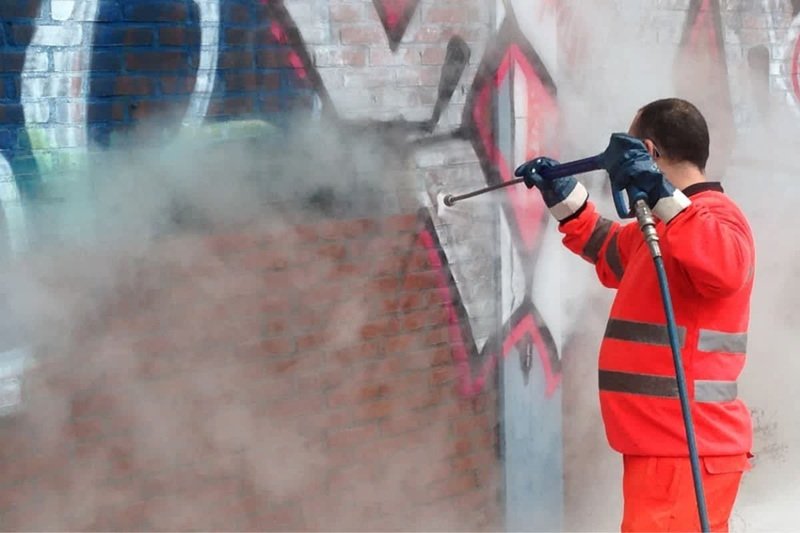
Pressure washing and mechanical techniques can be effective in certain cases, particularly on robust brickwork. However, these methods carry a higher risk, as excessive pressure can damage the brick face, erode mortar joints or force paint deeper into the surface. For this reason, they are not suitable for all types of brick walls.
Paint-over and cosmetic solutions
Painting over graffiti is sometimes used when full removal isn’t possible or practical. While this can improve appearance in the short term, it doesn’t address the underlying issue and often results in colour mismatches or visible patches. For this reason, paint-over solutions are considered cosmetic rather than true graffiti removal.
Common mistakes to avoid when cleaning graffiti off brick
Aggressive scrubbing: Rubbing the surface too hard can damage the face of the brick and spread paint deeper into the pores, making stains more visible rather than removing them.
Using unsuitable cleaning products: Household cleaners or strong chemicals not designed for brick can cause discolouration, chemical burns or uneven patches on the surface.
Applying excessive pressure: High pressure, especially on older brickwork, can erode mortar joints and permanently alter the texture of the brick.
Skipping a test area: Failing to test any method on a small, hidden section of the wall increases the risk of unexpected damage or colour changes across the entire surface.
Trying multiple methods at once: Switching between products or techniques without allowing time to assess results can worsen staining and make future removal more difficult.
When DIY graffiti removal may not be appropriate
In some situations, attempting to remove graffiti without professional experience can do more harm than good. Graffiti that has been on the brickwork for a long time is often deeply absorbed, making it difficult to remove without leaving visible staining or shadowing.
Very porous or aged brick surfaces are also more vulnerable to damage. In these cases, even mild cleaning attempts can alter the surface texture or cause uneven discolouration that can’t be reversed.
DIY removal may also be risky on highly visible areas such as building façades, shopfronts or entrance walls, where cosmetic imperfections are more noticeable. When there is a genuine risk of permanent damage, seeking specialist support can help protect both the appearance and the long-term condition of the brickwork.
How professionals approach removing graffiti from brick walls
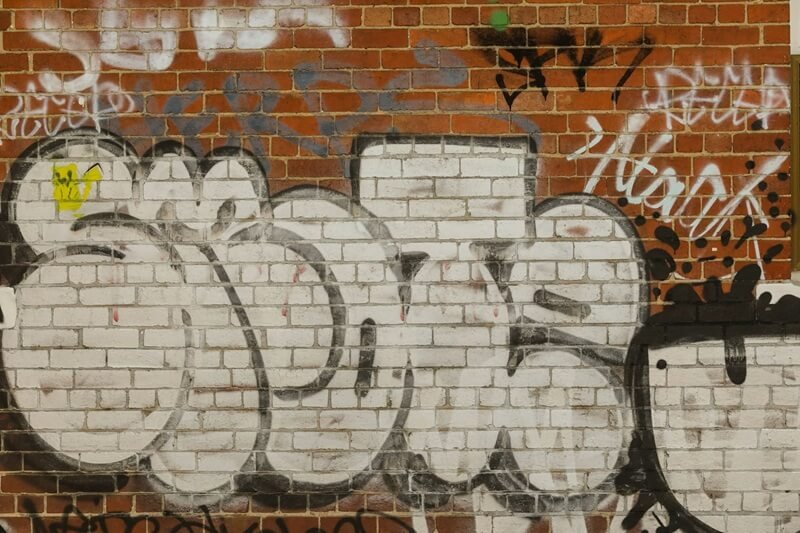
Professional graffiti removal starts with an initial assessment of the brickwork rather than applying a one size fits all solution. Factors such as brick type, surface condition, paint penetration and exposure time are evaluated to understand how the material is likely to react during cleaning.
Based on this assessment, methods are selected and adapted to suit the specific surface. The aim is to lift or break down the graffiti gradually, while limiting how much moisture, pressure or chemical contact the brick is exposed to.
Risk control is a key part of the process. Techniques are tested in small areas, results are monitored, and adjustments are made to avoid unnecessary damage, staining or surface changes. This measured approach helps protect the brickwork while achieving the best possible visual outcome.
Final remarks on removing graffiti from brick walls
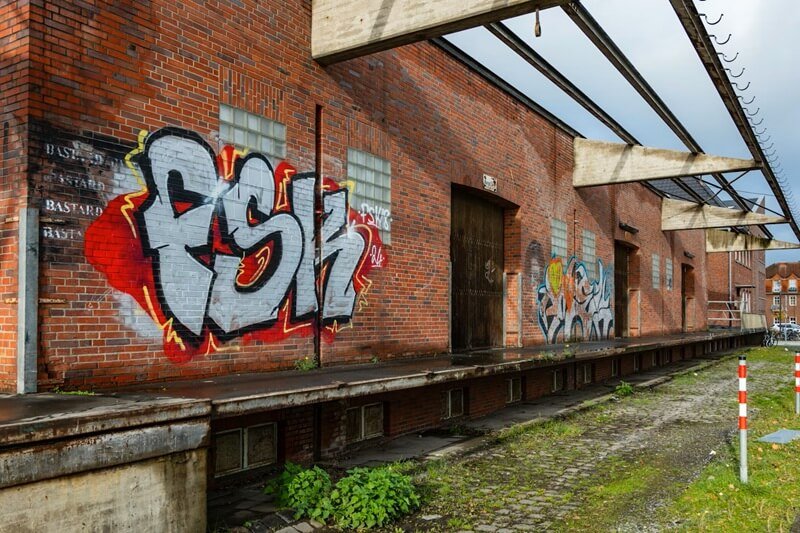
Removing graffiti from brick walls is rarely straightforward. There is no universal solution, as every situation depends on the type of brick, the level of paint absorption and how long the graffiti has been present.
Understanding the nature of the material is essential. Brick reacts differently to cleaning compared to smooth surfaces, and incorrect approaches can easily lead to permanent staining or surface damage rather than improvement.
In many cases, prevention and early intervention make a noticeable difference. Prompt action, suitable surface treatments and informed decision making can help reduce long-term impact and protect the appearance of brickwork over time.
Not sure how to remove graffiti without damaging the brickwork?
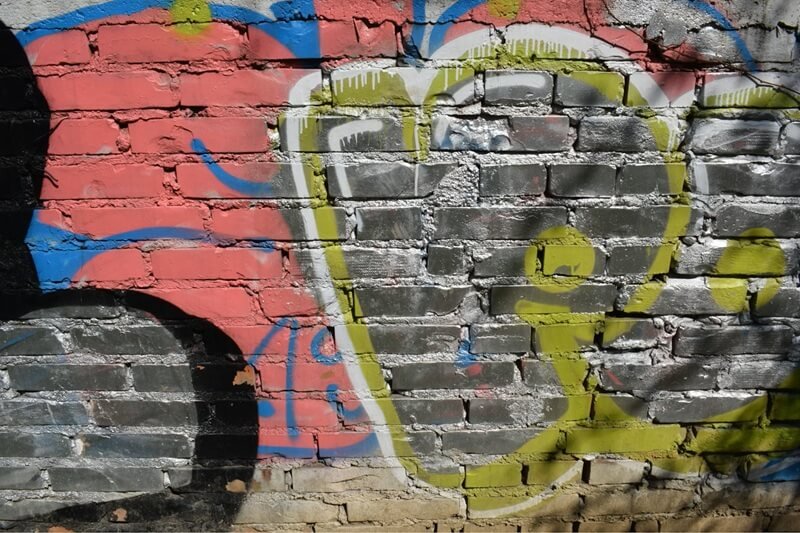
Every brick wall is different, and the right approach depends on factors such as surface type, porosity and how deeply the paint has been absorbed. Without a proper evaluation, even well-intended cleaning attempts can result in permanent marks or surface damage.
This is where an experienced assessment can make a real difference. Bristol Blast Away are local specialists with hands-on experience in dealing with graffiti on a wide range of brick surfaces. Their team helps property owners understand the condition of their brickwork and choose the most suitable, least invasive approach for each situation.
If you’re unsure how to proceed, getting informed advice first can help protect the appearance and integrity of your brick walls in the long term.