

Cleaning your gutters regularly is essential, but choosing the right time matters just as much. There isn’t one universal moment that works for every property, the ideal timing depends on the season and the conditions your gutters are exposed to.
Different times of year bring different challenges, from falling leaves to heavy rainfall and temperature changes. In this guide, we’ll look at how each season affects your gutters and when cleaning is most effective, so you can plan maintenance more wisely and avoid unnecessary problems.
Why timing is important when cleaning gutters

Gutter cleaning isn’t just about if it needs to be done, it’s also about when. The timing of the clean can make a real difference to how effective it is and how long the results last.
If gutters are cleaned too early, they can quickly fill up again with leaves, moss and debris, especially during periods of heavy rain or falling foliage. This often means the work has to be repeated sooner than expected, with little long-term benefit.
On the other hand, leaving gutter cleaning too late can allow blockages to build up to the point where water can no longer flow freely. During wet weather, this increases the risk of overflowing, water damage to walls and foundations, and added strain on the gutter system itself.
Seasonal conditions play a key role. Rainfall accelerates debris movement and compaction, while colder temperatures can cause trapped moisture to freeze or harden, making blockages more difficult to remove. By choosing the right time to clean your gutters, you reduce the risk of repeated issues and help keep rainwater flowing properly when it matters most.
This is something we regularly see when working on properties across Bristol, where timing plays a key role in preventing avoidable gutter issues.
The best time of year to clean your gutters
There isn’t a single time of year that suits every property, but in most cases, spring and autumn are the most recommended periods for gutter cleaning. These seasons follow or preced major changes in weather and debris buildup, making them ideal moments to restore proper water flow and prevent avoidable issues.
While other times of year may still require attention depending on conditions, spring and autumn generally offer the best balance between effectiveness and long-term results.
Cleaning gutters in spring after winter accumulations
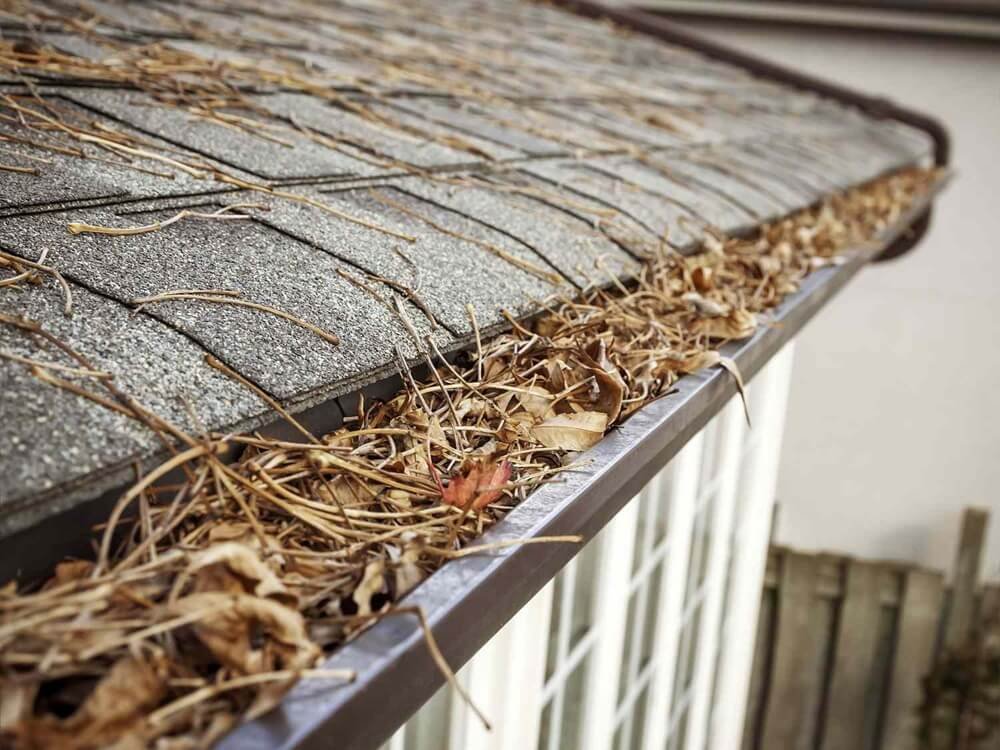
Winter often leaves behind more than just cold weather. Gutters can collect a mix of debris such as small branches, moss, dirt and compacted residue carried in by wind, frost and snow.
Cleaning in spring helps clear out what has built up over the colder months and ensures gutters are ready to handle heavier rainfall as the weather becomes wetter. This is also a good time to check that water flows freely through the system, as winter conditions can sometimes shift or loosen debris in ways that aren’t immediately visible.
Addressing these issues early reduces the risk of water backing up during prolonged spring rain.
Cleaning gutters before heavy autumn rains
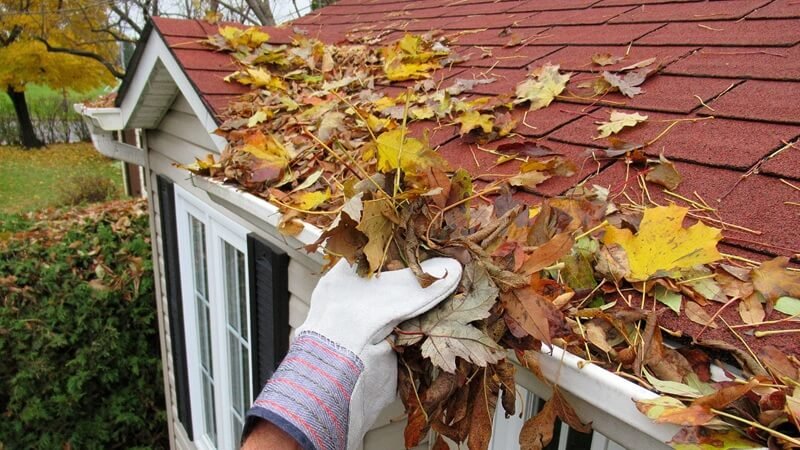
Autumn is one of the most critical times for gutter maintenance. Falling leaves, seeds and organic debris can quickly create blockages, especially on properties near trees.
As rainfall increases, even partial obstructions can cause water to overflow or sit in the gutters for extended periods. In some cases, a single clean may not be enough, as leaves can continue to fall throughout the season. This is why some properties benefit from an additional clean later in autumn, particularly during periods of heavy leaf drop.
Keeping gutters clear during this time helps prevent problems developing just before winter sets in.
Could summer or winter be the right times?

While spring and autumn are usually the most effective times for gutter cleaning, summer and winter can still play a role in certain situations. It’s not always a simple yes or no, the right timing often depends on weather patterns, property surroundings and how quickly debris builds up.
Summer: useful for checks, not usually the main clean
Summer can be a good time to inspect gutters and check for early signs of buildup, especially after dry periods or sudden heavy showers. With less leaf fall, debris tends to accumulate more slowly, making it easier to spot minor issues.
However, summer is not usually ideal as the main cleaning season. Gutters may appear clear, only to fill up again once autumn arrives. For this reason, summer is often better suited for monitoring and light maintenance rather than a full, primary clean.
Winter: generally avoided unless necessary
Gutter cleaning during winter is usually avoided unless there is a clear problem. Cold temperatures, ice and trapped moisture can make debris harder to remove, while slippery conditions increase safety risks.
In addition, frozen blockages can prevent water from flowing properly, but attempting to clear them in winter may not always be practical or safe. Where possible, addressing gutter issues before winter arrives is the safer and more effective approach.
Factors that can change the optimal cleaning schedule

While spring and autumn are often recommended, the best time to clean gutters can vary from one property to another. Several factors influence how quickly debris builds up and how often cleaning is actually needed.
Trees nearby: Properties close to trees are more likely to collect leaves, seeds and small branches. In these cases, gutters may need cleaning more frequently, especially during autumn or after strong winds.
Amount of rainfall: Areas that experience heavier or more frequent rainfall can see debris compact faster inside the gutters. Increased rain can also highlight blockages sooner, making timing more critical.
Type of property: Larger buildings, terraced houses or properties with complex rooflines often have longer gutter runs and more outlets, which can affect how debris accumulates and how quickly problems develop.
High or difficult-to-access gutters: Gutters that are higher or harder to reach are more challenging to inspect regularly. Because issues can go unnoticed for longer, planning the right cleaning window becomes even more important.
Signs that gutters need to be cleaned sooner

Even if gutter cleaning is planned for a certain time of year, some warning signs show that it shouldn’t be delayed. Spotting these early can help prevent more serious issues.
Water overflowing from the gutters: If rainwater spills over the edges instead of flowing through the downpipes, it usually means debris is blocking the system.
Stains or damp marks on exterior walls: Discolouration or damp patches on walls can be caused by water running down where it shouldn’t, often due to blocked gutters.
Plants or insect activity in the gutters: Weeds, moss or increased insect presence are clear signs that organic debris has built up and is holding moisture.
Unpleasant smells near the roofline: Trapped leaves and standing water can start to smell as they decompose, indicating that the gutters are overdue for cleaning.
How often should gutters be cleaned?
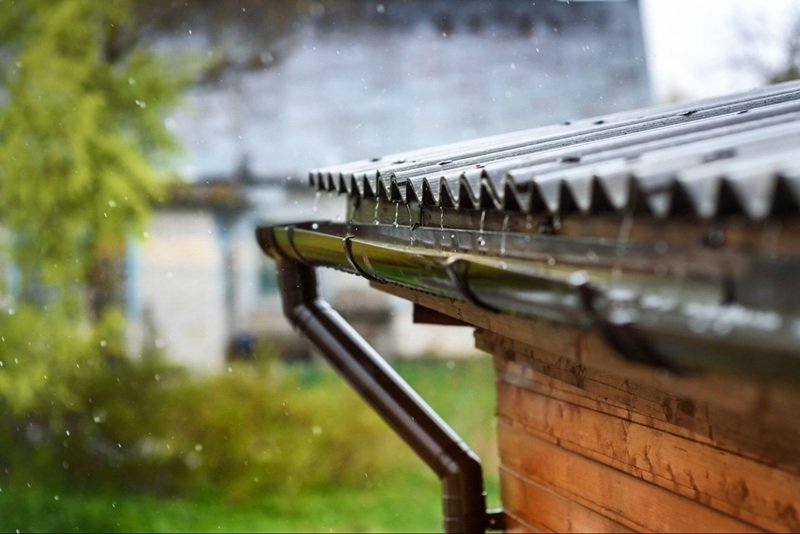
As a general guideline, most gutters benefit from being cleaned around twice a year, typically in spring and autumn. This schedule usually aligns well with seasonal changes that affect debris buildup and water flow.
However, this isn’t a fixed rule for every property. Homes surrounded by trees, properties exposed to strong winds or areas with heavier rainfall may require more frequent attention. In these situations, waiting for the next planned clean can allow blockages to develop sooner than expected.
Regular visual checks between scheduled cleans can help identify problems early and determine whether additional cleaning is needed. Adjusting the frequency based on actual conditions is often more effective than sticking to a strict calendar.
Common timing mistakes to avoid

Choosing the wrong moment for gutter cleaning can reduce its effectiveness and increase the risk of problems. These are some of the most common timing mistakes to be aware of.
Putting it off for too long: Delaying gutter cleaning allows debris to build up gradually, increasing the risk of blockages, overflow and water damage, especially during periods of heavy rain.
Cleaning during unsuitable weather conditions: Attempting to clean gutters in strong winds, heavy rain or icy conditions can be ineffective and unsafe. Poor weather often makes it harder to spot issues and increases safety risks.
Ignoring early warning signs: Overflows, damp patches or unpleasant smells are often dismissed until they become serious. Waiting despite clear signs usually leads to more difficult and urgent problems later on.
Relying only on a fixed calendar date: Cleaning strictly by date without considering weather, debris levels or property surroundings can mean cleaning too early, or too late, for the actual conditions.
Final thoughts on choosing the right time
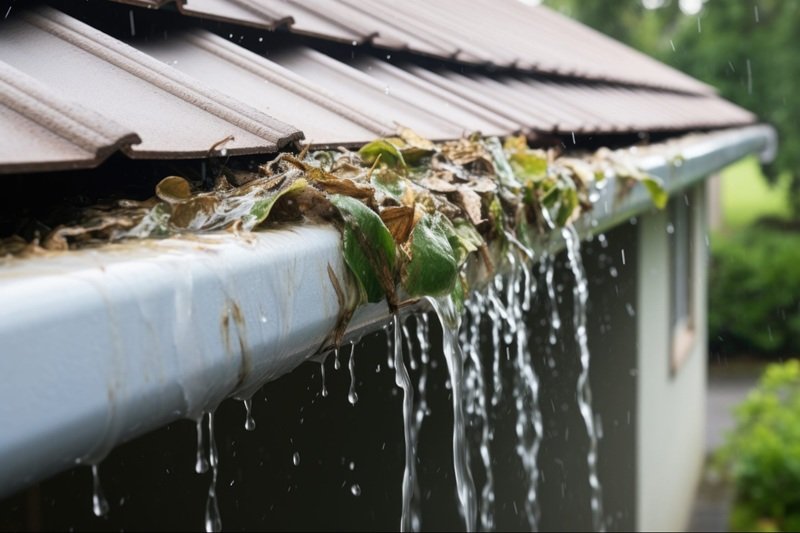
Choosing the right time to clean your gutters isn’t about following a strict rule, but about understanding how seasonal changes affect your property. For most homes, spring and autumn remain the most reliable times, as they align with periods of debris buildup and increased rainfall.
That said, local conditions, surrounding trees and weather patterns can all influence when cleaning is most effective. Paying attention to warning signs and adjusting timing accordingly often leads to better long-term results than sticking to a fixed schedule.
Some homeowners also prefer professional advice when they’re unsure about the condition of their gutters or the best time to address potential issues. A balanced approach, based on timing and real conditions, is key to keeping gutters working as they should throughout the year.
Not sure when is the right time to clean your property’s gutters?

Not all properties face the same conditions, which is why the ideal time for gutter cleaning isn’t always obvious. Factors such as location, exposure to wind and rain, nearby trees and seasonal weather patterns can all affect how quickly debris builds up and when attention is really needed.
For some homeowners, deciding on the right timing can feel uncertain, especially when gutters are hard to see or access. In these situations, many prefer an assessment and practical guidance, rather than making assumptions or relying on a fixed schedule.
Based on experience working on a wide range of properties, Bristol Blast Away supports homeowners by offering practical insight and straightforward advice, helping determine when gutter cleaning is most appropriate for each individual property.
For those who value safety, clarity and informed decisions, professional input can provide reassurance and remove the guesswork from seasonal maintenance.
There isn’t one single perfect time to clean gutters that works for every property. For most homes, spring and autumn are the most reliable periods, but the right timing can still vary depending on location, surrounding trees, exposure to weather and how quickly debris builds up.
Paying attention to seasonal changes and early warning signs helps prevent problems before they turn into damage. When it’s not clear what your property needs, guessing or leaving it too late can often cause more issues than it solves.
If you’re unsure about the right timing, it’s often safer to have someone take a look rather than risk causing damage. You can contact Bristol Blast Away, and one of the team can assess the situation and explain what’s needed and when, helping you make a clear and confident decision.