
A clean deck doesn’t have to rely on harsh chemicals. Whether your boards have dulled over winter, gathered algae, or developed stubborn marks, there are natural methods that can restore their look without damaging the material and without harming plants, pets or the surrounding garden.
In this guide, you’ll discover simple, effective and eco-friendly ways to clean decking using ingredients you already have at home, plus tips to keep your boards looking fresh for longer. Perfect for UK homeowners who want great results with minimal impact.
What “cleaning a deck naturally” really means
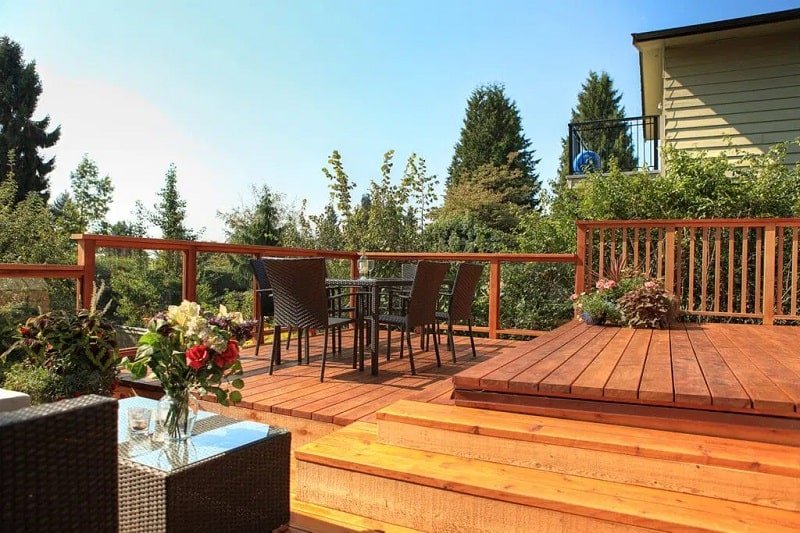
When we talk about “cleaning a deck naturally,” we mean using solutions that are gentle on the boards and harmless for the space around them. Natural cleaning avoids harsh chemicals that can strip colour, dry out the material or harm plants and pets. Instead, it relies on mild, biodegradable ingredients that lift dirt, algae and everyday grime without forcing the surface to absorb anything too aggressive.
This approach is different from many commercial cleaners, which often contain strong bleaches or solvents. Those products can deliver quick results, but they may also cause fading, leave residues behind, or shorten the lifespan of certain types of decking, especially composite boards with protective caps.
One thing to note: “natural” doesn’t mean pouring vinegar on everything. Vinegar is acidic, and while it can work on some surfaces, it’s not suitable for many modern decking materials and can damage metal fixings over time.
That’s why natural cleaning is about choosing safer, well-balanced solutions that clean effectively while keeping your decking, your garden and the environment in good condition.
Identify your decking type before you clean
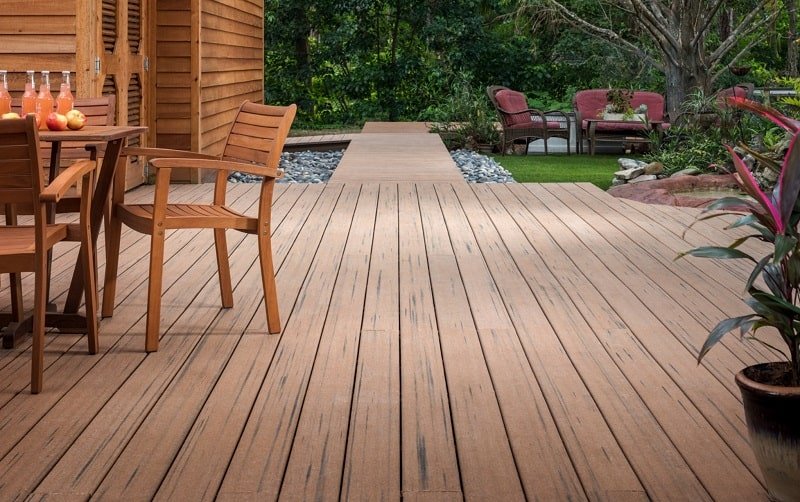
Natural cleaning works only when it matches the material you’re working with. Each type of decking reacts differently to mild acids, alkalis or abrasion, so choosing the right approach prevents stains, fading or unnecessary damage. Here’s what you need to know before you start:
1. Natural wood decking
Softwoods like pine or cedar are sensitive to acidic solutions and harsh scrubbing. Stick to gentle, plant-safe cleaners and avoid anything that could strip fibres or raise the grain.
2. Pressure-treated wood
Because the timber is chemically protected, it can handle slightly stronger natural mixtures. Even so, avoid vinegar: its acidity can corrode screws, brackets and other metal fixings over time.
3. Hardwood (Ipe, Teak, Cumaru)
These dense woods don’t need abrasive ingredients to get clean. A mild, natural cleaner and a soft brush are enough. Avoid vinegar here as well, it can interfere with the wood’s natural oils.
4. Oiled or stained decking
Acidic solutions can dissolve the protective oils and dull the finish, so vinegar is not recommended. Use only natural soap mixed with water to clean the surface safely.
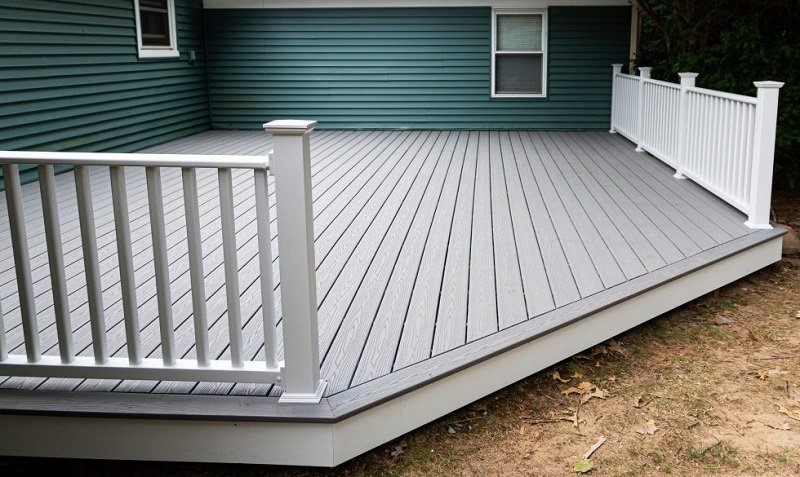
5. Composite decking
Composite boards can react unpredictably to baking soda, which may leave light patches or cloudy marks. For a natural route, use enzyme-based cleaners or a properly diluted hydrogen peroxide solution.
Natural cleaning solutions that are actually safe
Not every “eco method” you find online is genuinely safe for decking. The options below are mild, biodegradable and effective, without the hidden risks that come with acidic or abrasive DIY mixtures. Each one works on simple principles and won’t harm wood, composite materials, plants or pets around the deck.
Warm water + soft brush (The safest base method)
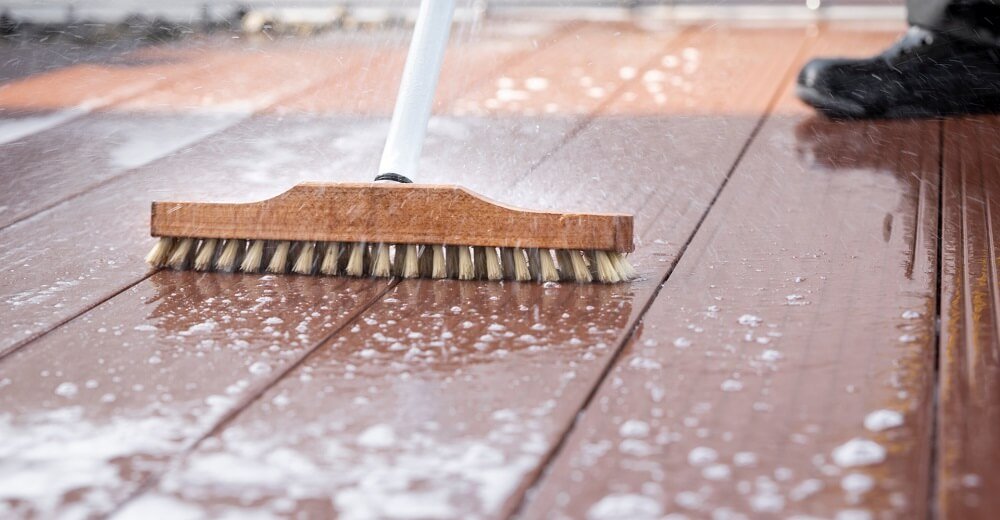
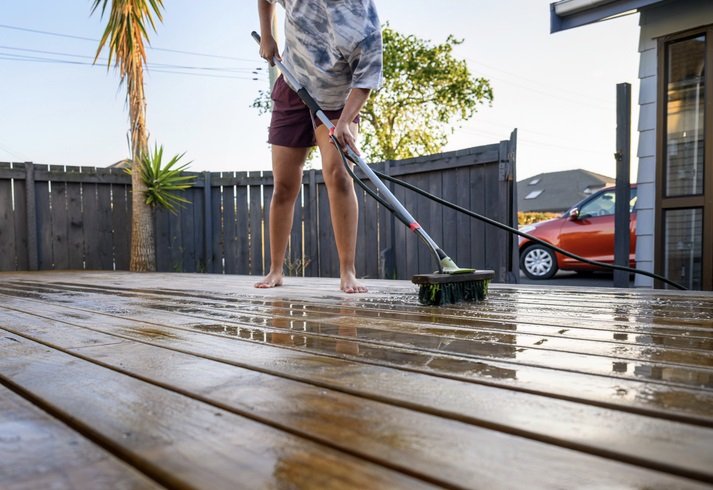
The simplest method is still the safest. Warm water loosens dirt and surface grime, while a soft-bristle brush cleans without scratching fibres or protective caps.
When to use it:
- routine maintenance
- lightly soiled boards
- as a first step before trying any other solution
Results: It removes dust, pollen, light algae and general buildup, leaving the deck refreshed without altering its finish.
Castile soap solution
Castile soap is a plant-based, biodegradable soap that contains no synthetic detergents. It lifts grime gently and rinses clean, making it safe for both the decking and the surrounding garden.
Why it’s safe:
- no harsh chemicals or acids
- no bleaching agents
- leaves no residue
Best for:
- natural wood
- hardwood decking
- oiled or stained boards
- composite decking (used with a soft brush)
Mix a small amount with warm water, scrub lightly and rinse thoroughly.
Oxygenated cleaning (diluted hydrogen peroxide 3%)
Hydrogen peroxide at 3% becomes an oxygen-based cleaner when diluted. It tackles algae, mould and organic marks without bleaching or damaging the surface.
Why it works: The oxygenation process breaks down growths gently, making it suitable for both wood and composite boards.
How to use:
- dilute 1:1 with water
- apply with a spray bottle or watering can
- let it sit for 5–10 minutes
- scrub lightly and rinse well
Ideal for slippery green patches, early mould and stubborn organic stains.
Enzyme-based natural cleaners
Enzyme cleaners use naturally occurring enzymes to break down organic residues such as food marks, bird droppings, sap and mild mildew.
Advantages:
- fully biodegradable
- no acids, solvents or abrasive ingredients
- safe for all decking types, pets and plants
For best results, allow the enzymes a few minutes to work before rinsing.
Step-by-step natural cleaning process
This universal method works for every decking material, natural wood, hardwood, pressure-treated timber, oiled boards and composite. It uses only safe techniques and gentle products, so you can clean confidently without risking scratches, fading or moisture damage.
Step 1: Prep the deck
Start by removing anything that sits on the surface.
- sweep away dust, leaves and loose debris
- clear out corners, gaps and edges where dirt collects
- check for slippery areas, green patches or stains so you know where to focus later
A clean, dry surface helps any natural solution work more effectively.
Step 2: Apply the chosen natural solution
Whether you’re using warm water, Castile soap, diluted hydrogen peroxide or an enzyme cleaner, the application process is similar.
General method:
- mix your solution in a bucket or spray bottle (e.g., a few drops of Castile soap per litre of warm water, or hydrogen peroxide diluted 1:1).
- apply evenly across the surface, either by spraying, pouring gently or spreading with a soft brush.
- allow a short dwell time so the solution can loosen dirt (usually 3–10 minutes, depending on the product).
Avoid soaking the boards excessively; you want enough moisture to clean, not enough to saturate the wood.
Step 3: Scrub safely
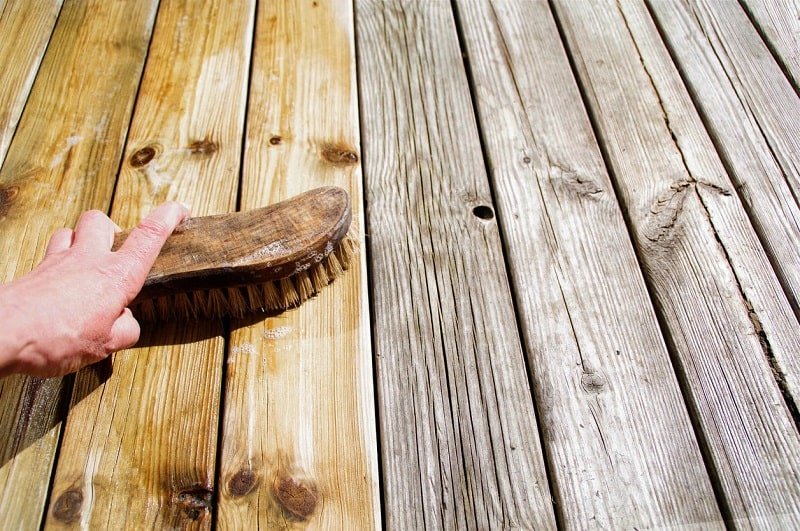
Use only a soft-bristle brush. It’s firm enough to lift dirt but gentle enough to protect the finish.
Guidelines:
- never use metal brushes, they scratch wood and can damage composite caps.
- scrub in the direction of the grain on natural wood.
- on composite boards, use gentle circular or straight strokes without pressing too hard.
You’re aiming to loosen grime, not to sand the surface.
Step 4: Rinse thoroughly
Rinse with clean water to remove the solution and any lifted dirt.
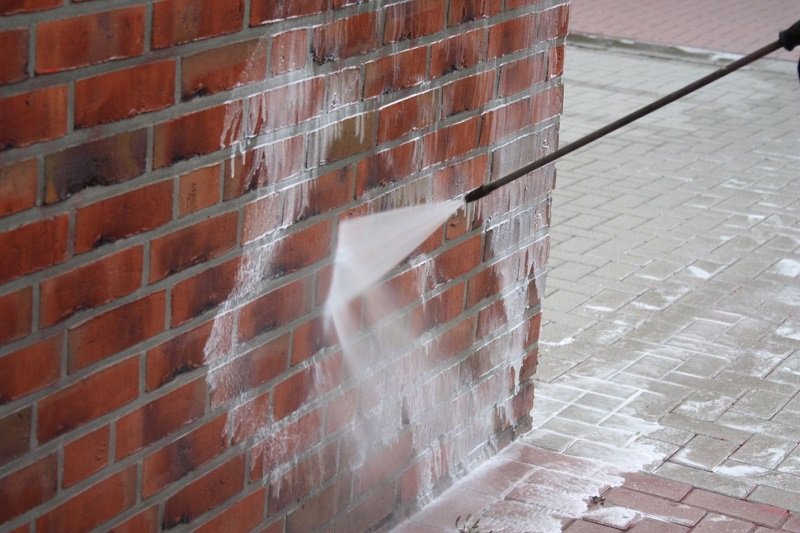
Important: If you use a pressure washer, keep the pressure very low and maintain distance. High pressure can gouge wood fibres, remove stain or oil finishes, and leave permanent marks on composite decking.
A garden hose with a normal flow is usually perfect.
Step 5: Let it dry completely
Allow the deck to air-dry fully before placing furniture back.
Why it matters:
- prevents moisture becoming trapped under chair legs or planters.
- reduces the risk of mould returning.
- helps the deck regain its natural appearance.
Most decks dry within a few hours on a warm, breezy day. Once the surface feels dry to the touch, not just at the top but in the grooves, you can safely return everything to its place.
How to remove common deck stains naturally
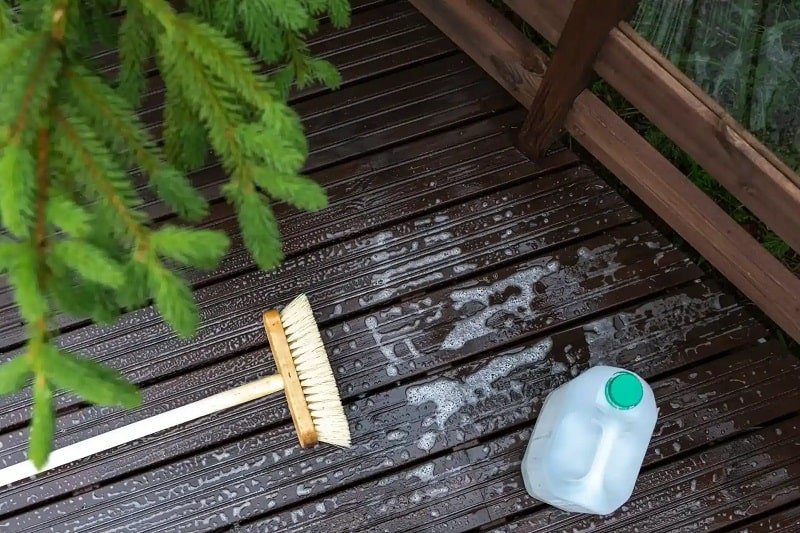
Different stains need different approaches, especially when you’re avoiding harsh chemicals. The methods below use only safe, natural-friendly solutions and include notes for each decking type so you don’t risk discolouration or surface damage.
1. Mold & Mildew
Best methods: diluted hydrogen peroxide (3%) or an enzyme-based cleaner
How to use diluted peroxide:
- mix 1:1 with clean water
- apply generously to the affected area
- allow 5–10 minutes to work
- scrub with a soft brush
- rinse well
Why it’s safe:
Oxygenation breaks down organic growth without bleaching wood or composite.
Material notes:
- Natural wood: safe as long as the brush is soft
- Hardwood: effective and gentle on dense fibres
- Oiled/Stained wood: safe, but avoid over-scrubbing to protect the finish
- Composite: highly effective peroxide is one of the safest mould treatments for composite decking
Enzyme cleaners: Great for ongoing organic growth. Apply, leave to activate, then rinse. Fully biodegradable and safe for pets and plants.
2. Leaf stains
Often caused by tannins left behind after damp leaves sit on the boards.
Best method: warm water + Castile soap
How to use:
- add a few drops of Castile soap into a bucket of warm water
- scrub gently along the grain (for wood)
- rinse thoroughly
Material notes:
- Natural wood: very safe, doesn’t lift fibres
- Hardwood: ideal, gentle and effective
- Oiled/Stained wood: perfect because it doesn’t dissolve the finish
- Composite: removes the brownish discolouration without risking haze or patches
Avoid acidic solutions, tannin stains do not respond well to acids, and vinegar can damage metal fixings.
3. Grease stains
Caused by BBQ drips, spilled oils or food residue.
Best method: Castile soap + warm water, repeated if needed (no chemical degreasers, they can strip finishes or stain composite).
How to use:
- apply a slightly stronger soap mix (still mild, just a few more drops)
- let it sit 3–5 minutes
- scrub gently
- rinse well
- repeat if needed, natural solutions sometimes work better in two passes
Material notes:
- Natural wood: safe, won’t dry out the fibres
- Hardwood: effective without damaging natural oils
- Oiled/Stained wood: gentle enough to avoid removing protective oils
- Composite: safe, unlike alkaline degreasers, Castile soap won’t leave cloudy marks
If the grease stain is older, a short pre-treatment with an enzyme cleaner helps break down the organic component before washing.
Natural cleaning mistakes to avoid

Even natural methods can cause damage if they’re used the wrong way. Before you start cleaning, keep these common mistakes in mind to protect both the decking and the surrounding garden.
1. Don’t use vinegar on oiled or stained decking
Vinegar is acidic, and acids dissolve oils, including the protective oils and stains applied to timber. This leads to dull patches, uneven colour and faster moisture absorption. If your decking has any kind of oil or stain finish, avoid vinegar completely.
2. Don’t use baking soda on composite decking
Baking soda may look harmless, but it’s abrasive and can leave cloudy marks or pale patches on composite boards. Composite surfaces don’t react well to gritty powders, even natural ones. Stick to peroxide, Castile soap or enzyme cleaners instead.
3. Avoid dish soap if you want a fully natural method
Dish soaps contain synthetic surfactants, fragrances and preservatives. They’re not harmful in small amounts, but they’re not truly natural or plant-safe. If your goal is a 100% natural-friendly clean, choose Castile soap or enzyme cleaners.
4. Never use high pressure on a power washer
Strong pressure can gouge wood fibres, strip oil or stain finishes, and permanently mark composite caps. If you choose to rinse with a pressure washer, keep the pressure low and the nozzle far from the surface, or simply use a garden hose instead.
5. Don’t mix solutions without testing a small area first
Even natural ingredients can react differently depending on the decking type. Always test your mixture on a small, hidden area before applying it to the entire surface. This prevents unexpected fading, streaking or colour changes.
How to keep your deck clean naturally all year
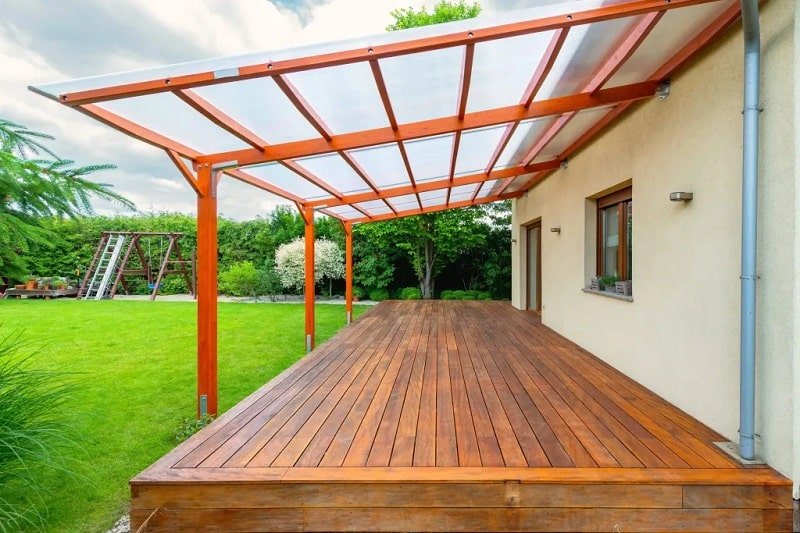
A naturally cleaned deck stays in better condition when you prevent dirt and moisture from settling in the first place. These simple habits keep your boards looking fresh throughout the year without relying on strong chemicals.
Maintain good airflow
Moisture builds up fastest under furniture, planters and outdoor storage. Lift or move items every few weeks so air can circulate and the boards can dry evenly. Better airflow means less mould, fewer dark patches and a more consistent colour.
Clear fallen leaves regularly
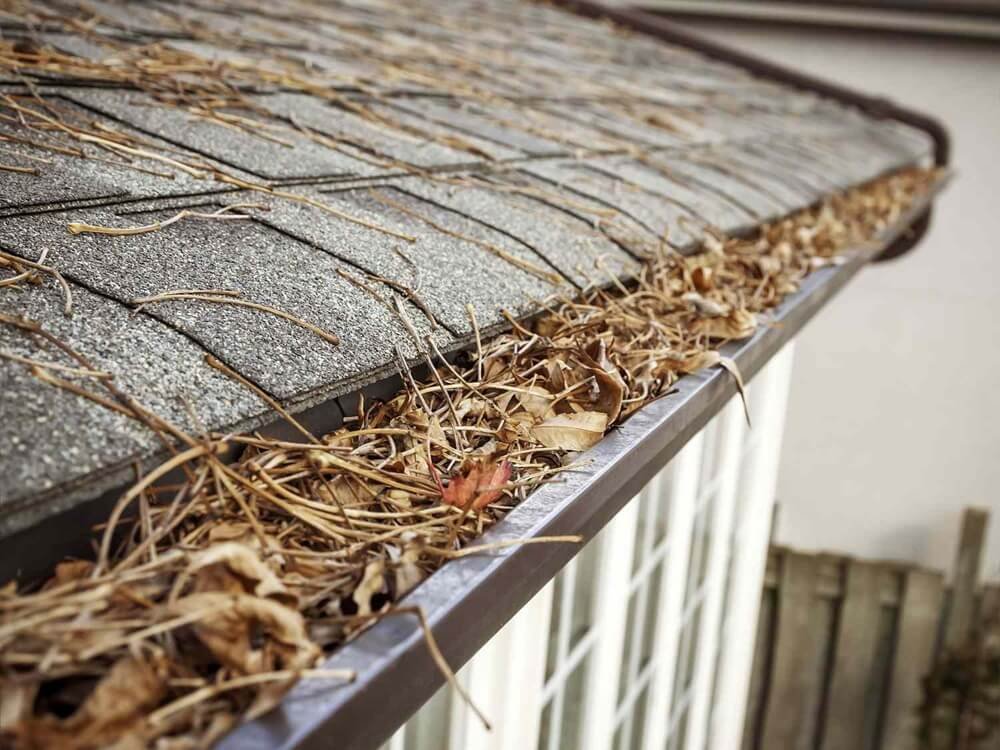
Wet leaves release tannins, which leave brown stains on both wood and composite. A quick sweep every now and then, especially in autumn, makes a big difference and prevents staining before it starts.
Use natural-friendly re-oiling or sealing
If your deck is oiled or stained, refresh it with products that are plant-safe and low in solvents. These finishes help the boards shed moisture and protect against algae, extending the life of the decking while keeping your cleaning routine fully natural.
Let sunlight do part of the work
Sunlight naturally reduces moisture and slows down mould growth. When possible, avoid blocking large areas of the deck with heavy coverings or tarps for long periods. A bit of sun exposure keeps the boards drier and healthier.
Opt for light, frequent washes
A gentle clean with warm water or a mild natural solution every few weeks prevents dirt from building up. Small, regular sessions are far more effective and safer, than occasional heavy scrubbing.
When you should avoid DIY and call a professional

Natural, DIY cleaning works well for light dirt and general maintenance, but some situations require more than household solutions. Calling a professional isn’t about convenience; it’s about protecting the decking from further damage.
Deep, stubborn stains
If mould has penetrated deep into the grain, or grease and tannins have set in for months, natural cleaners might not be strong enough. Over-scrubbing can worsen the problem, so this is a good time to bring in a specialist.
Visible wood deterioration
Soft spots, splintering, lifted fibres or early signs of rot need professional assessment. Cleaning alone won’t fix structural issues, and using the wrong method can accelerate damage.
Very old or neglected decking
Ageing boards, especially untreated wood, react differently to moisture and scrubbing. A professional can clean the deck safely, stabilise the surface and recommend the right restoration approach.
When re-oiling or sanding is needed
If the deck has lost its colour, feels dry or uneven, or needs sanding before re-oiling, it’s best handled by an expert. These steps require the right equipment and technique to avoid gouging or uneven finishes.
Why calling a professional helps
A trained cleaning team can:
- identify the material and choose the safest method
- remove deep stains without damaging the boards
- restore colour and texture with specialist equipment
- recommend long-term maintenance suited to your decking type
Bristol Blast Away, your local specialists in decking care
For homeowners in and around Bristol, Bristol Blast Away offers professional decking cleaning using safe, material-appropriate methods. Their team understands the differences between softwood, hardwood and composite decking and uses equipment designed to clean deeply without stripping finishes or causing abrasion.
They also provide a wide range of exterior cleaning services, from patios and render to driveways, making them a reliable choice when your decking needs more than a light DIY refresh.
Final tips for a naturally clean & long-lasting deck
Keeping your deck clean naturally is all about consistency and choosing methods that protect the material rather than overwhelm it. Warm water, Castile soap, diluted peroxide and enzyme cleaners are all safe options that work without damaging wood or composite.
Combine light, regular washes with good airflow, leaf removal and occasional re-oiling (where needed) and your decking will stay healthier for far longer without relying on harsh chemicals.
A naturally cleaned deck isn’t just better for the environment, it’s better for the boards themselves. With the right methods and a little routine care, you can maintain a clean, safe and long-lasting outdoor space all year round. And when you need deeper restoration or expert help, Bristol Blast Away is always ready to step in.